







Why DTF Film Gets Oily, Wet, or Bubbled: Causes and Fixes

Introduction: Understanding DTF Transfer Film Problems
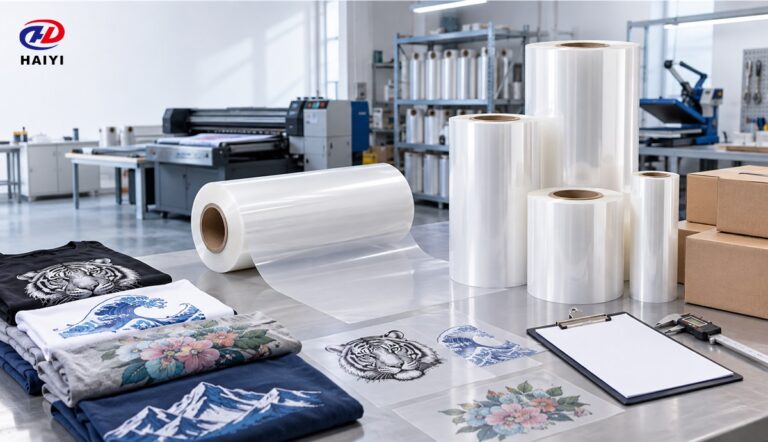
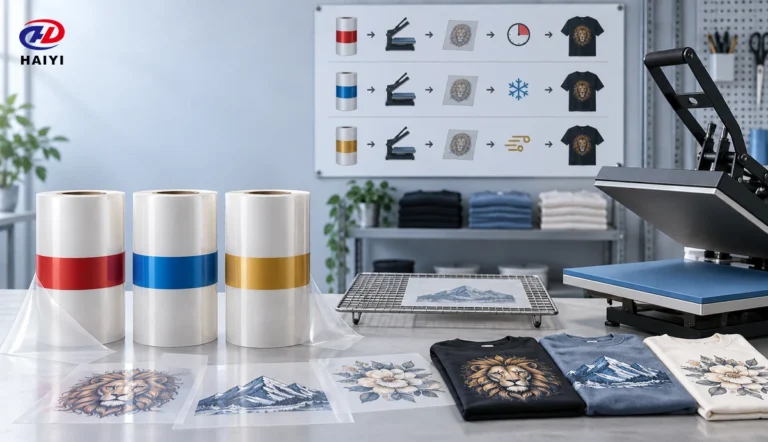
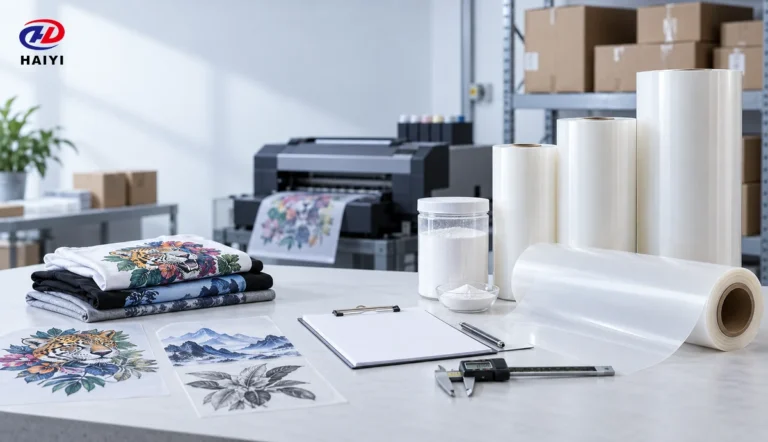
DTF (Direct To Film) transfer printing has become one of the most popular heat transfer technologies in the garment printing industry. With a professional white ink DTF printer, specialized DTF film, and hot melt powder, users can transfer high-quality designs onto T-shirts, hoodies, textiles, and many other materials.
Compared with traditional printing methods, DTF printing offers bright colors, excellent durability, soft hand feel, high breathability, and the ability to achieve complex designs.
However, many users encounter common problems during production, such as DTF transfer film becoming oily, moisture appearing on the surface, or bubbling after printing and storage.
Why does this happen? Is it a problem with the DTF film, the printer, or the production process?
As a professional DTF film manufacturer, we will explain the main causes and practical solutions to help you achieve better transfer results.

Why Does DTF Transfer Film Get Oily and Bubble?
The problems of oil return, moisture return, and bubbling are usually caused by three main factors:
- Production process
- DTF film material
- Working environment
Understanding these factors can help reduce printing failures and improve final product quality.
1. Production Process: Residual Moisture Inside the DTF Film
After the white ink is printed on the DTF film, the film enters the powder shaking process. At this stage, around 50%-60% of moisture remains inside the white ink layer.
The film then enters the drying tunnel, usually at around 135°C-140°C. The hot melt powder quickly melts and forms a layer that covers the ink.
Although the surface of the finished DTF transfer film looks dry, moisture may still remain inside.
When the remaining water is trapped between the ink layer, TPU powder, and film surface, it cannot fully escape. After cooling, condensation occurs, creating small water droplets.
This is one of the main reasons why printed DTF film may show:
- Oily appearance
- Moisture marks
- Sticky surface
- Bubbling problems after storage
How to Solve Moisture Problems During Drying?
A better solution is using a three-stage drying system.
Stage 1: Low Temperature Drying (Around 110°C)
At the first stage, water begins to evaporate. The moisture inside the white ink layer is removed while the hot melt powder does not melt too quickly.
This prevents moisture from being sealed inside.
Stage 2: Oil and Glycerin Removal (120°C-130°C)
The second stage focuses on removing glycerin and oily substances from the ink.
This helps reduce oil return problems after storage.
Stage 3: Film Forming Process (140°C-150°C)
The final stage allows the TPU powder to fully melt and form a strong adhesive layer.
This improves:
- Transfer strength
- Pattern durability
- Washing resistance
- Overall printing quality
2. Material Factors: DTF Film Quality Matters
The quality of DTF film has a direct impact on the final printing effect.
A high-quality DTF film affects:
- Color accuracy
- Image details
- Ink absorption
- Adhesion performance
- Final hand feel
Because PET DTF film can absorb moisture from the air, improper storage may cause the film surface to become unstable.
Low-quality or moisture-affected film may lead to:
- Ink spreading
- Uneven printing
- Oil stains
- Poor powder adhesion
How to Store DTF Film Properly?
To protect DTF transfer film quality:
1. Keep Film in Original Packaging
After each use, return unused DTF film to the original package and seal it properly.
2. Avoid Contact With Floor and Walls
Floors and walls may contain moisture. Keep film stored in a dry area away from direct contact.
3. Store in a Dry and Ventilated Place
If the original packaging is unavailable, wrap the film carefully and store it in a sealed bag.
Proper storage helps prevent moisture absorption and extends film performance.
3. Environmental Factors: Humidity Can Cause DTF Film Problems
The working environment plays an important role in DTF printing.
In high humidity conditions, DTF film can absorb moisture easily. This affects ink performance and may cause:
- Ink condensation
- Uneven ink spreading
- Oil return
- Printing defects
High humidity can also increase the chance of printer head clogging, affecting ink output and print quality.
For stable DTF printing, controlling the production environment is essential.
How to Prevent DTF Film from Becoming Oily?
1. Improve Air Ventilation
Regular ventilation helps reduce indoor humidity and prevents moisture buildup around the printing area.
2. Use a Dehumidifier
For humid regions or rainy seasons, using a dehumidifier can effectively control moisture levels.
3. Control Printing Temperature Properly
Excessive printing temperature may cause ink evaporation too quickly, leaving moisture behind on the film surface.
Adjust temperature settings according to your machine and ink conditions.
4. Avoid Excessive Ink Printing
Too much ink coverage increases moisture retention.
Optimizing white ink and color ink volume can reduce oil return issues.
5. Clean Printer Heads Regularly
A blocked print head may cause excessive ink accumulation on DTF film.
Regular maintenance improves printing stability.
6. Store Finished Printed DTF Film Correctly
Both raw DTF film and finished printed transfer film should avoid humid areas such as:
- Basements
- Bathrooms
- Open outdoor areas
Moisture-affected film may cause:
- Ink diffusion
- Oil appearance
- Poor transfer results
Always seal printed films and store them in a dry, ventilated place.
Conclusion
DTF transfer film becoming oily, wet, or bubbling is usually not caused by a single factor. It is related to the drying process, film quality, storage conditions, and working environment.
By improving the drying process, choosing reliable DTF film materials, controlling humidity, and maintaining proper storage methods, you can significantly reduce printing problems and achieve stable, high-quality transfers.
Choosing an experienced DTF film manufacturer with reliable coating technology and quality control is also important for consistent production results.
High-quality DTF film helps printers, wholesalers, and brands create durable, vibrant, and professional heat transfer products.