

Top 10 Things to Consider When Choosing a DTF Film Manufacturer

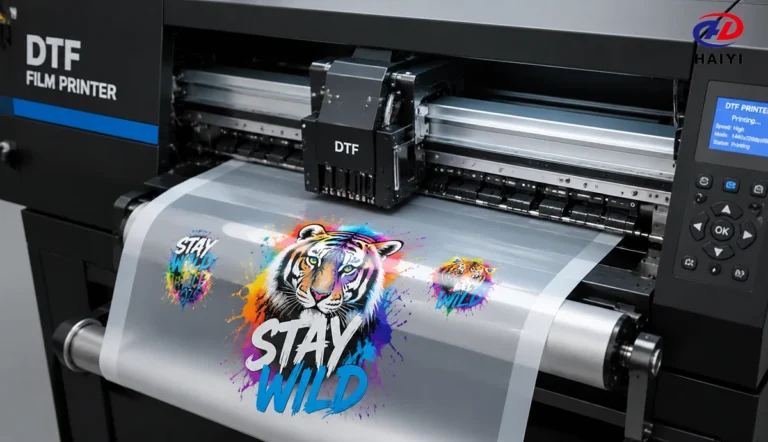
Direct-to-Film (DTF) printing has become one of the fastest-growing technologies in the textile printing industry. From custom apparel brands and print shops to large garment manufacturers, more businesses are adopting DTF printing because it provides vibrant colors, excellent fabric compatibility, and efficient production for both small and large orders.
However, choosing the right DTF film manufacturer is critical. The quality of DTF transfer film directly affects ink absorption, powder adhesion, transfer performance, wash durability, and final print appearance. A low-quality film may cause issues such as poor release, ink spreading, incomplete transfer, or inconsistent production results.
For distributors, wholesalers, and printing businesses, selecting a reliable DTF film supplier is not only about price — it is about product consistency, technical support, and long-term cooperation.
This guide explains the top 10 things to consider when choosing a DTF film manufacturer.

1. Evaluate the Manufacturer’s DTF Film Quality
The first and most important factor is product quality.
A professional DTF film manufacturer should have strict control over:
- PET film thickness consistency
- Coating uniformity
- Ink absorption performance
- Powder adhesion effect
- Release performance
- Heat resistance
- Storage stability
High-quality DTF transfer film should allow smooth printing, even powder distribution, clean peeling, and strong adhesion after heat pressing. The coating layer plays an important role because uneven coating can lead to poor printing results and unstable transfers.
Before placing a large order, always request samples and test:
- Fine details
- Color reproduction
- White ink performance
- Transfer temperature
- Peel effect
- Wash resistance
2. Check the Manufacturer’s Coating Technology
The coating technology behind DTF film determines its overall performance.
A professional DTF film manufacturer should have experience in developing functional coating formulas instead of simply purchasing generic coated PET film.
Important coating features include:
Ink Absorption Layer
The printing surface needs to absorb DTF ink evenly to prevent:
- Ink spreading
- Color mixing
- Blurred edges
- Uneven printing
Release Coating Layer
The release layer controls how easily the film separates from the printed design after heat transfer.
A good release coating provides:
- Clean peeling
- No residue
- Smooth transfer surface
- Better production efficiency
Different applications may require different coating structures, such as hot peel, cold peel, or instant peel films.
3. Consider Different Types of DTF Transfer Film
A reliable supplier should offer multiple DTF film solutions to meet different customer requirements.
Common types include:
Hot Peel DTF Film
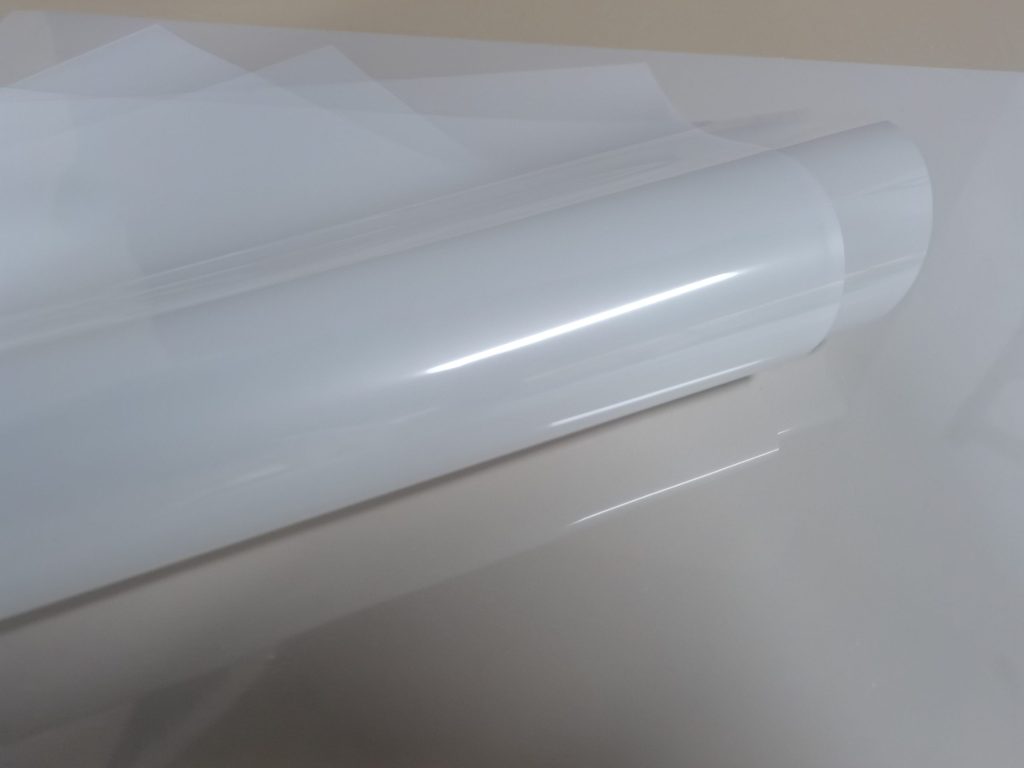
Hot peel film allows operators to remove the film immediately after heat pressing.
Advantages:
- Faster production speed
- Higher printing efficiency
- Suitable for mass production
Cold Peel DTF Film

Cold peel film requires cooling before removing the carrier film.
Advantages:
- Stable transfer quality
- Good edge definition
- Suitable for detailed designs
Instant Peel DTF Film
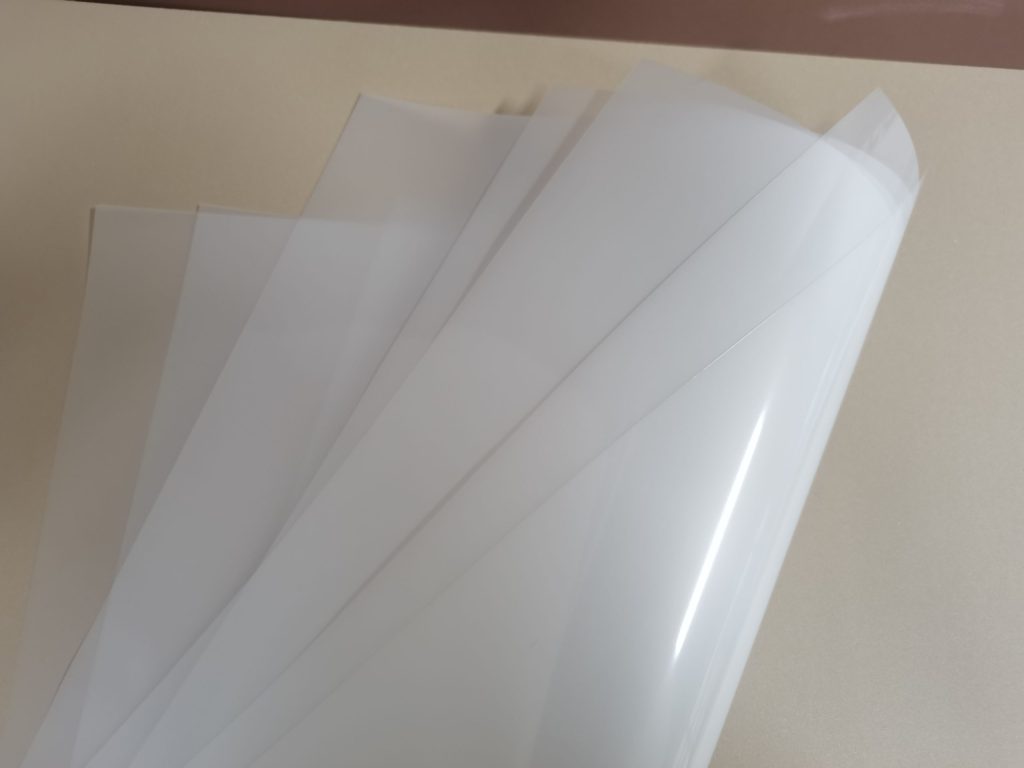
Instant peel film combines fast operation with reliable transfer performance.
A manufacturer with multiple product options can better support different printing machines, inks, fabrics, and market demands.
4. Check Production Capacity and Manufacturing Experience
When choosing a wholesale DTF film manufacturer, production capability is essential.
A professional factory should have:
- Modern coating production lines
- Automatic inspection systems
- Experienced technical teams
- Stable raw material supply
- Large-scale production capacity
Manufacturing experience helps suppliers maintain consistent quality between different batches.
For distributors and importers, stable supply is especially important because inconsistent film quality can damage customer relationships.
5. Verify Quality Control Systems
A reliable DTF film supplier should have a complete quality management system.
Important QC processes include:
Raw Material Inspection
Checking:
- PET film quality
- Thickness
- Surface cleanliness
- Material stability
Production Monitoring
Monitoring:
- Coating thickness
- Drying temperature
- Surface performance
- Roll consistency
Finished Product Testing
Testing:
- Printing compatibility
- Peel performance
- Adhesion strength
- Heat resistance
A supplier with strict QC procedures can reduce production problems and improve customer satisfaction.
6. Choose a Manufacturer That Supports OEM and Customization
For brands, distributors, and wholesalers, customization capability is a major advantage.
A professional OEM DTF film manufacturer should provide:
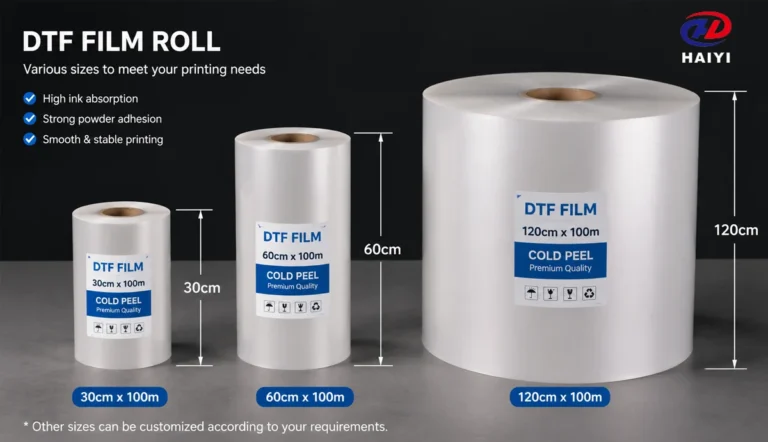
- Customized roll sizes
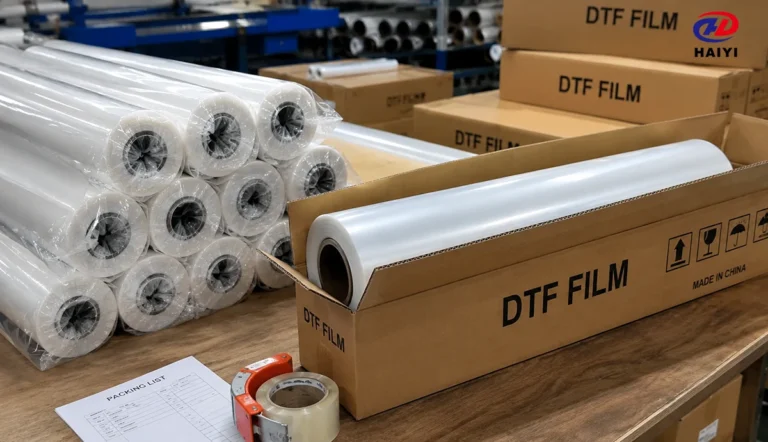
- Private label packaging
- Customized film specifications
- Different coating solutions
- Color packaging options
OEM services allow businesses to build their own brand identity and improve market competitiveness.
Typical customization options include:
- 30cm / 33cm / 60cm width rolls
- Custom length
- Customized cartons
- Customized labels
7. Compare Certifications and Compliance Standards
International buyers should check whether the manufacturer follows quality and environmental standards.
Important certifications may include:
- ISO quality management systems
- RoHS compliance
- REACH compliance
- Environmental testing reports
For companies selling in Europe, North America, and other regulated markets, compliance documentation can help simplify import procedures and increase customer trust.
8. Analyze Pricing Instead of Choosing the Cheapest Supplier
Price is important, but the lowest price does not always mean the lowest cost.
Cheap DTF film may create hidden expenses:
- More printing failures
- Higher material waste
- Customer complaints
- Production downtime
A better approach is to calculate the total cost:
Real Cost = Film Price + Waste Rate + Production Efficiency + Customer Returns
A slightly higher-quality DTF film can often provide better profitability because it reduces production problems.
9. Evaluate Technical Support and Customer Service
A professional manufacturer should provide more than products.
Good suppliers offer:
- Printing parameter recommendations
- Heat press guidance
- Troubleshooting support
- Sample testing assistance
- After-sales service
For international customers, communication ability is also important.
A reliable supplier should respond quickly and provide technical solutions when problems occur.
10. Review Customer Experience and Long-Term Reliability
Before cooperation, research the manufacturer’s reputation.
Consider:
- Export experience
- Customer reviews
- Industry partnerships
- Repeat customers
- Market presence
A trustworthy DTF film manufacturer should focus on long-term cooperation rather than one-time sales.
Ask potential suppliers:
- How many years have you produced DTF film?
- Which countries do you export to?
- Can you provide customer references?
- What is your quality guarantee policy?
How to Test a DTF Film Manufacturer Before Bulk Ordering
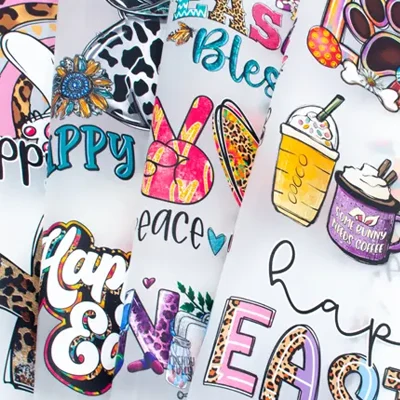
Before purchasing large quantities, follow this testing process:
Step 1: Request Samples
Test different film types:
- Hot peel
- Cold peel
- Matte film
- Glossy film
Step 2: Print Different Designs
Include:
- Small text
- Fine lines
- Gradient colors
- Large solid areas
Step 3: Perform Transfer Tests
Check:
- Transfer completeness
- Peel performance
- Surface feel
Step 4: Conduct Wash Tests
Evaluate:
- Color durability
- Edge adhesion
- Crack resistance
This process helps identify whether the supplier can meet your production requirements.
Why Choosing the Right DTF Film Manufacturer Matters
The right supplier can help your business achieve:
Better Printing Quality
Stable coating improves color performance and transfer consistency.
Lower Production Costs
Fewer failures mean less wasted material and labor.
Stronger Customer Satisfaction
Reliable products help distributors maintain customer trust.
Long-Term Business Growth
A dependable manufacturing partner supports future expansion.
Frequently Asked Questions About Choosing a DTF Film Manufacturer
What is the most important factor when choosing a DTF film manufacturer?
The most important factor is consistent product quality. Film coating performance, release ability, and batch stability directly affect printing results.
What thickness is best for DTF transfer film?
Common DTF PET films are usually around 75μm to 100μm, depending on application requirements. The best thickness depends on printer compatibility, production speed, and transfer requirements.
Should I choose hot peel or cold peel DTF film?
Hot peel film is suitable for faster production, while cold peel film is often preferred when stable release and detailed transfer performance are priorities.
Can DTF film manufacturers provide OEM services?
Yes. Many professional manufacturers offer OEM solutions, including customized sizes, packaging, and private label services.
How can I know if a DTF film supplier is reliable?
Check their factory capability, production experience, quality control system, export history, samples, and customer feedback before placing bulk orders.
Conclusion
Choosing the right DTF film manufacturer is a key decision for distributors, wholesalers, and printing businesses. The best supplier should provide consistent quality, advanced coating technology, customization options, reliable production capacity, and professional technical support.
Instead of focusing only on the lowest price, choose a manufacturer that can deliver stable performance and long-term value. A reliable DTF transfer film supplier can become an important partner for growing your printing business in the competitive textile market.