How Does DTF Transfer Film Work

The working principle of DTF film is to transfer patterns to various fabrics through DTF printing technology.
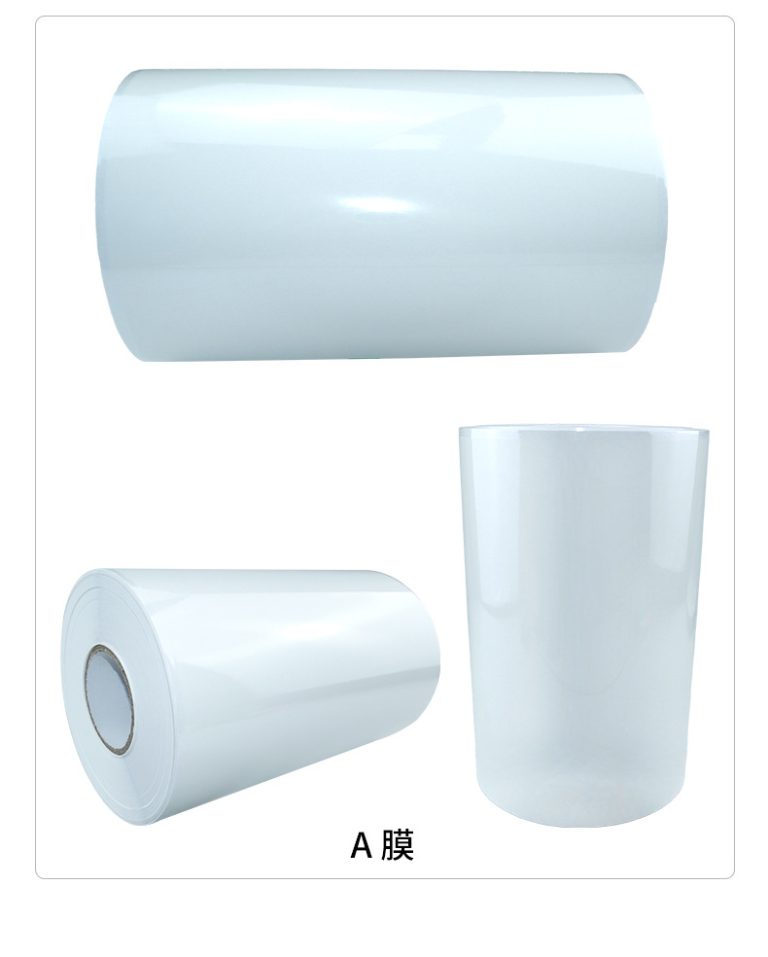
DTF film
DTF film is an efficient and colorful printing process that transfers white ink materials to the surface of fabrics through high temperature and pressure to form a stable pattern. Its core advantages are high pattern clarity and short production cycle. It is especially suitable for small batch customization needs and is widely used in clothing, gifts and other industries.
The specific steps are as follows:
Image processing: First, use printing software (such as RIIN, Flexiprint, CADlink or Maintop) to pre-process the pictures to be printed and adjust their size, resolution and other parameters
.
Printing: Send the designed pattern to the printer, and the printer will print the color ink and white ink layers on the heat transfer film in the set order. After printing, check whether the pattern is complete and there is no ink leakage or color cast before proceeding to the next step.
Powdering: Sprinkle hot melt adhesive powder evenly on the newly printed pattern. This step can be automated through the automatic shaking function of the powder shaking machine.
Baking: Use the drying function to solidify the glue powder.
Pattern transfer: Place the finished heat transfer product on the fabric to be transferred, and use the heat press to set the appropriate temperature and time for heating. Usually the temperature is around 160 degrees and it takes 15-20 seconds to heat.
Transfer completed: Tear the film from the fabric (cold tear or hot tear according to the type of film), and the heat transfer design is easily transferred to the fabric.
Advantages and disadvantages of DTF film
Advantages:
High resolution and bright colors: The direct to film printing solution can maintain the brightness of the color and has excellent application effects.
Durable: Direct to film printing is durable, and the pattern will not fall off even after daily washing and rubbing.
Applicable to a variety of fabrics: Whether it is soft (such as cotton and linen) or hard (such as denim and leather) fabrics, direct to film printing can be applied.
High cost performance: No need to make a plate, it can be used as soon as it is printed, which is more cost-effective than traditional methods (such as screen printing).
Suitable for personalized customization of all sizes: Whether it is small-batch customization or large-scale production, direct to film technology can meet the needs.
Disadvantages:
High equipment cost: Choosing the right direct to film printer is the key to ensuring high-quality results, and the equipment cost is high.