






Heat Transfer Printing: Principles, Methods, and Quality Factors
Learn how heat transfer printing works, compare DTF, vinyl, sublimation, and screen transfers, and control time, temperature, and pressure.

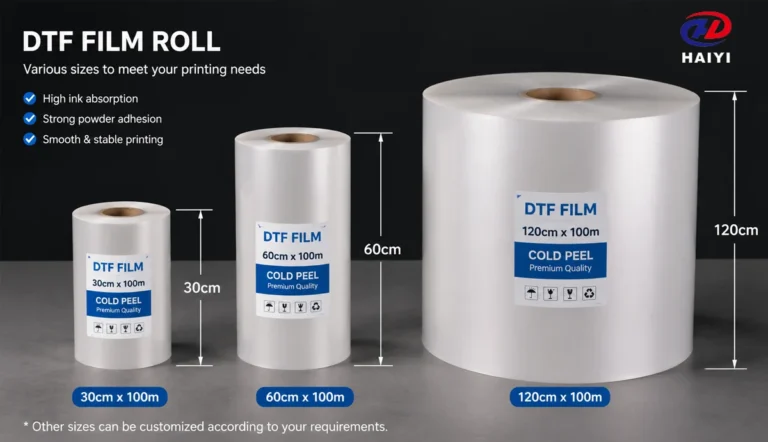
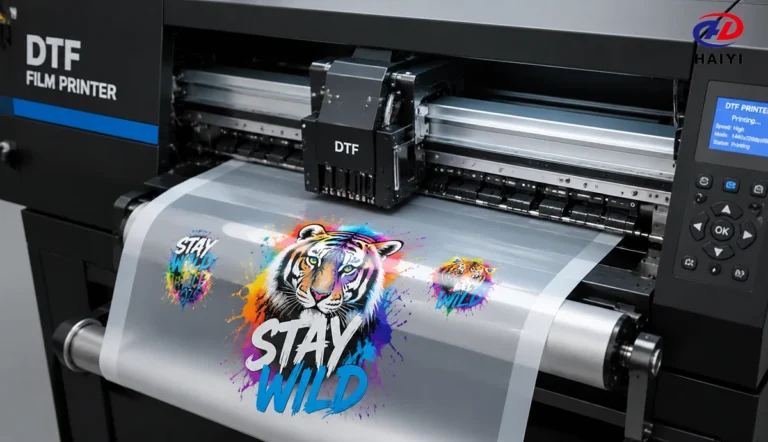
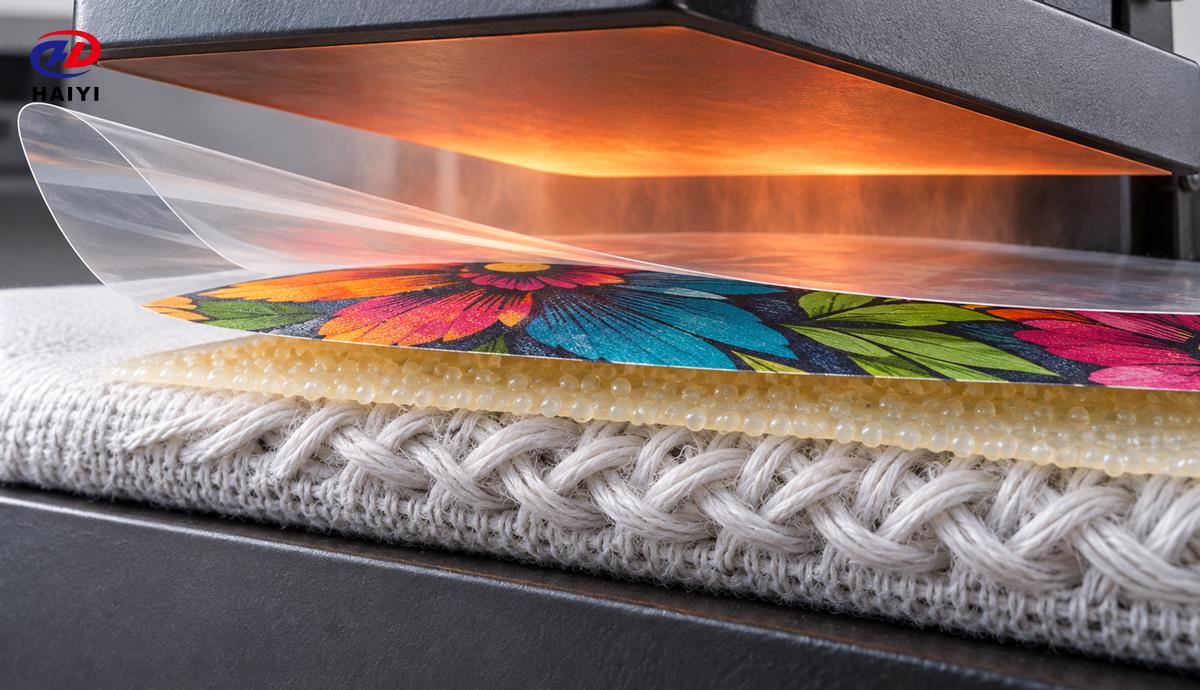
Heat transfer printing is a family of decoration methods in which a design is prepared on an intermediate carrier and moved to fabric through controlled heat and pressure. The carrier may be PET film, transfer paper, or heat-transfer vinyl, while the bonding mechanism may be a hot-melt adhesive, a heat-activated film, or dye sublimation. The correct method depends on the fabric, artwork, feel, durability, order size, and equipment.
What Is the Basic Principle of Heat Transfer Printing?
The carrier separates image production from garment application. Heat supplies the energy needed to soften an adhesive, activate a film, or convert a dye into a transferable state. Pressure creates uniform contact between the transfer and textile. Time allows the bonding or migration process to reach the required level. Cooling and peeling then stabilize or reveal the finished decoration.
Which Heat Transfer Methods Are Common?
| Verfahren | How it bonds | Optimale Passform | Main limitation |
|---|---|---|---|
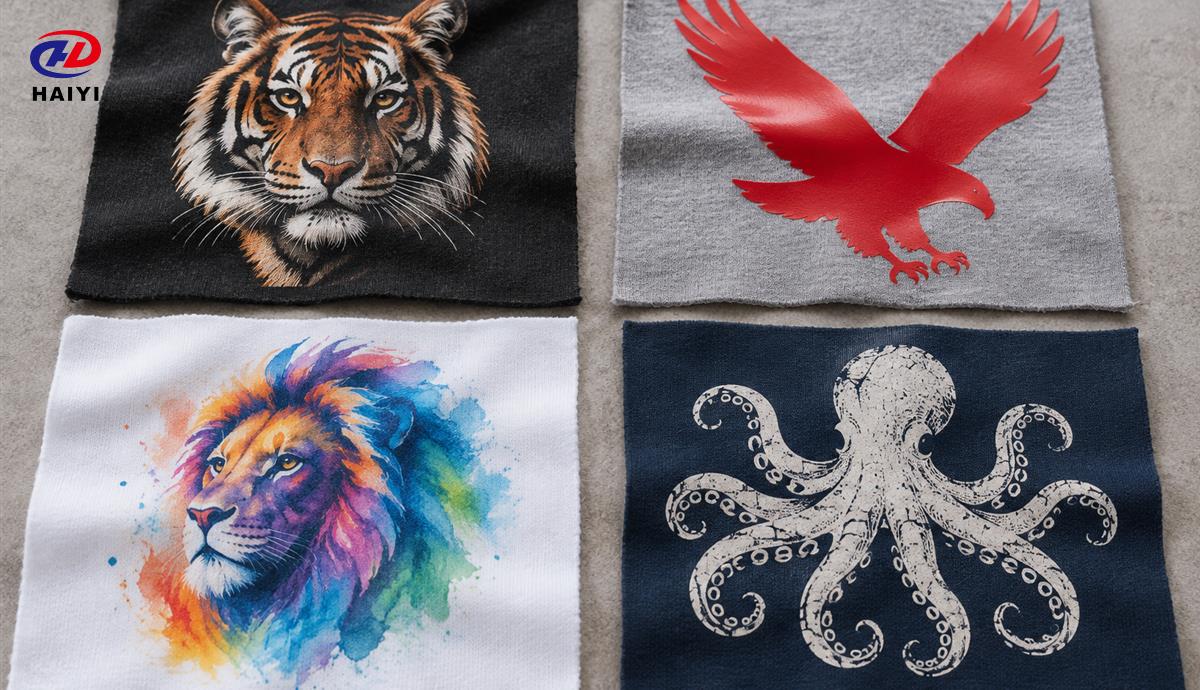
| DTF | Printed ink and hot-melt adhesive bond to fibers | Full color on many fabric colors and types | Consumables and process must be compatible |
| Wärmeübertragungsfolie | Cut heat-activated film adheres to fabric | Names, numbers, simple solid graphics | Weeding and layering increase labor |
| Sublimation | Heat moves dye into polyester | Light polyester with minimal surface feel | Restricted by fiber and base color |
| Screen transfer | Screen-printed ink and adhesive transfer from paper | Repeat production and opaque graphics | Setup is less efficient for frequent small changes |
What Are the Main Advantages?
Heat transfers can be produced separately, stored, shipped, and applied when garments are available. This supports short runs, personalization, samples, distributed fulfillment, and multiple garment sizes without printing directly on every textile. Digital transfer methods can reproduce complex multicolor artwork without creating a screen for each color.
The method also makes placement repeatable when operators use templates and documented settings. Finished garments, cut panels, sleeves, neck labels, workwear markings, and promotional textiles can be decorated with a transfer selected for the location and fabric.
What Limitations Must Be Considered?
A surface-bonded transfer can change fabric hand, breathability, drape, and stretch, especially when artwork contains large solid areas. Heat-sensitive fabrics may scorch, shine, shrink, or experience dye migration. Seams, zippers, pockets, and uneven surfaces can prevent uniform pressure. Sublimation offers low surface feel but is constrained by polyester content and garment color.
How Do Time, Temperature, and Pressure Affect Quality?
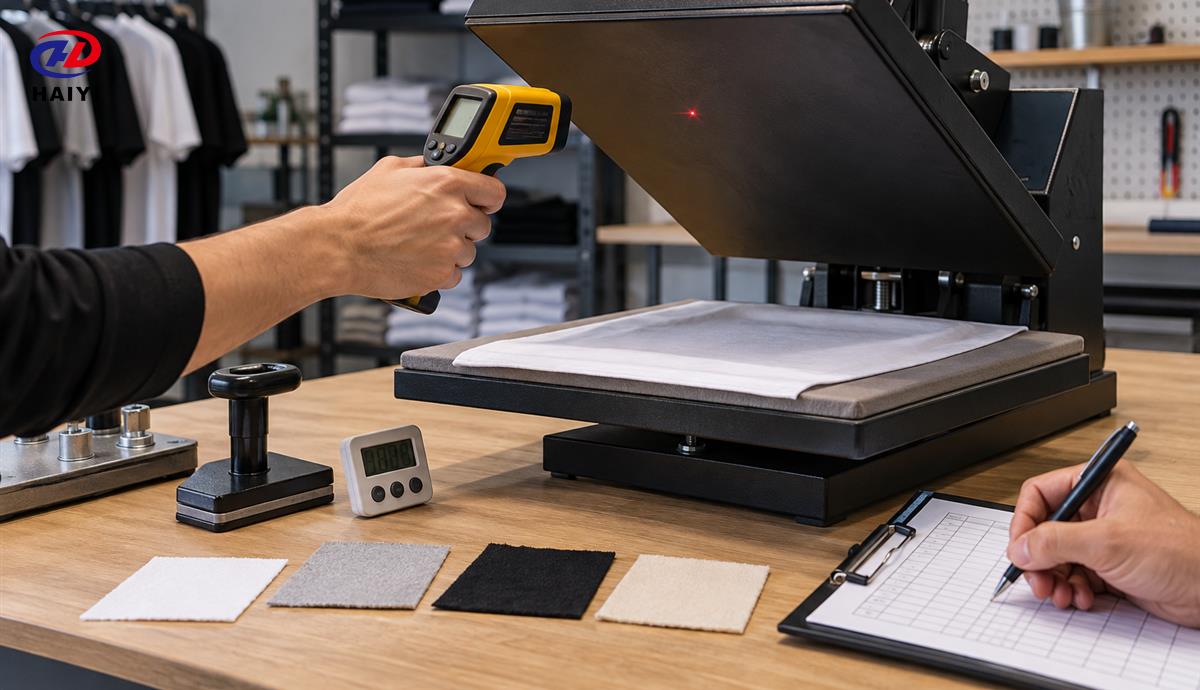
Too little energy or contact can cause incomplete bonding and edge lift. Too much heat, time, or pressure can flatten texture, create gloss, distort the garment, drive dye migration, or make some transfers stiff. The machine display is only a setting; actual platen temperature, flatness, pressure distribution, pad condition, and garment thickness determine what the transfer experiences.
How Is a Heat Transfer Process Qualified?
- Define the fabric composition, finish, color, stretch, and heat sensitivity.
- Select a transfer method that supports the artwork and garment.
- Prepare a test design with solids, fine lines, edges, and small details.
- Verify press temperature and contact across the platen.
- Run a controlled parameter matrix around the supplier’s starting settings.
- Evaluate appearance, hand, stretch, edge adhesion, color, and carrier release.
- Wash-test approved samples under documented conditions.
- Lock the settings, consumable lots, and acceptance criteria before bulk production.
For DTF production specifically, the DTF film process guide explains printing, powdering, curing, and pressing. Buyers comparing film formats can also use the heat transfer film buying guide.
How Should Buyers Choose a Transfer Film Supplier?
Ask for product identification, compatible ink and adhesive system, film dimensions, peel behavior, recommended process window, storage conditions, lot traceability, packaging, and sample availability. Test more than appearance: measure feed stability, release consistency, edge definition, transfer completeness, hand feel, and wash performance on representative fabrics.
Haiyi liefert DTF-Folien im Großhandel und individuell anpassbar an Druckereien, Distributoren und Private-Label-Programme. Kontaktieren Sie Haiyi with your printer, transfer method, fabric range, film format, peel requirement, quality tests, packaging plan, and expected order volume to arrange samples and technical matching.