






DTF Film for Streetwear Brands: Small-Batch Drops and Special Effects
Plan small streetwear drops with DTF film. Compare special effects, approve samples, estimate film and garment costs, and prepare repeatable reorders.

DTF film gives streetwear brands a way to produce small apparel drops with detailed artwork and selected effects, provided the finished transfer is approved on the actual garment before the run. At Haiyi, we recommend using a standard film as the reference, selecting an effect that advances the design, and setting the batch size from approved garments, measured yield, and realistic reorder needs. Film choice affects the print, the production schedule, and the stock needed to repeat the design.
This guide is for streetwear labels, print shops, and distributors planning short releases of T-shirts, hoodies, or related apparel. It follows one drop from artwork and garment selection through sample approval, film purchasing, inspection, and restocking. The worked numbers are illustrative. Use the same method with your actual garment costs, roll yield, and order commitments.
When does DTF fit a small streetwear drop?
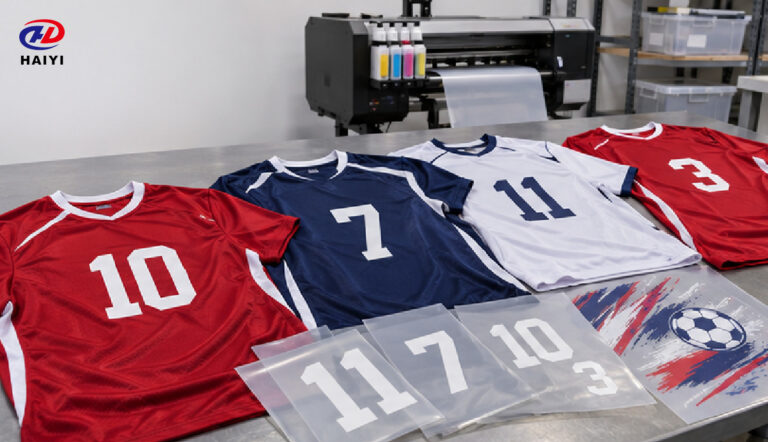
DTF fits many short runs when a label needs full-color graphics, several placements, or an effect edition without committing each design to a large decorated inventory. Printing onto a coated film and transferring the cured artwork allows a decorator to separate transfer production from garment pressing. This can help a brand hold a shared stock of blanks and decorate according to the approved size mix. The tradeoff is that each transfer still has to be positioned, pressed, checked, and recorded.
Compare the method with the look and feel the label wants. A compact crest, a detailed illustration, and a solid oversized back print create different wear and appearance requirements. A transfer can add noticeable hand and weight over a broad solid area, even if it works well as a smaller graphic. For a repeat run with a large stable design or a decoration intended to feel integrated into the fabric, include other processes in the sample comparison. Choose by finished result and total project cost.
Decide which garments can share an artwork file and which require another size or placement. An adult heavyweight shirt and a cropped top can need different print widths even when the creative is the same. Review the smallest and largest garments as well as any hood, pocket, seam, or zip that limits usable space. Approve dimensions on a finished sample before ordering a film quantity based on an assumed layout.
What role should an effect film play in the collection?
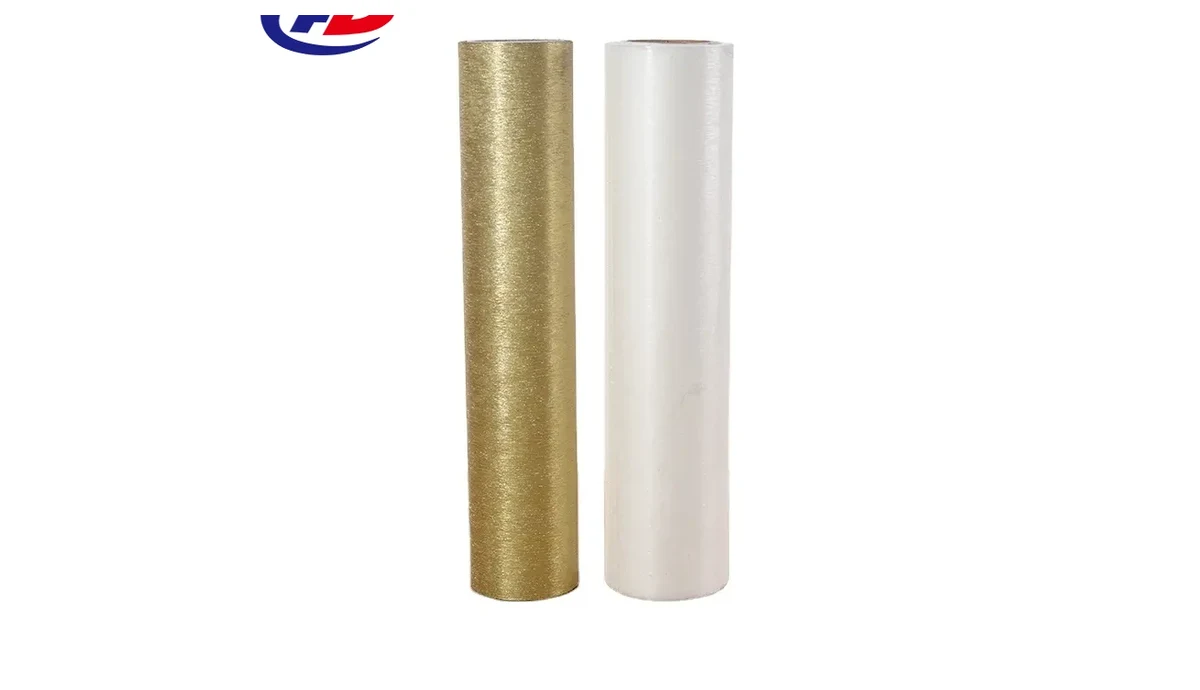
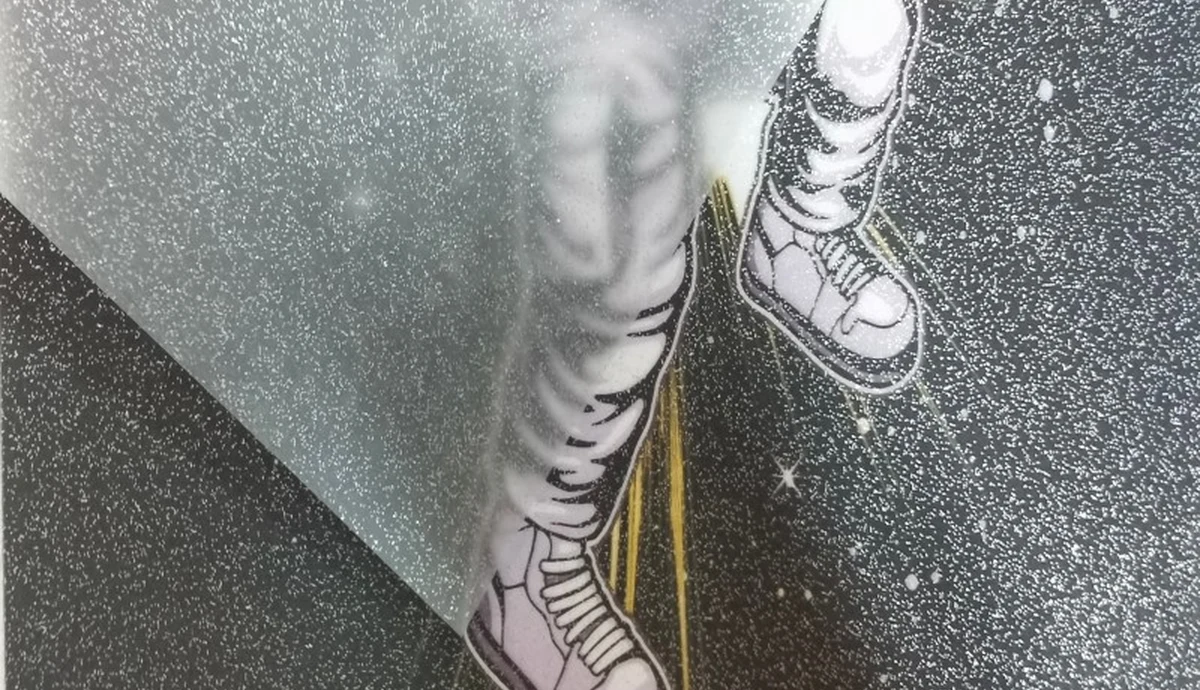
Assign the effect a specific visual job before choosing the film. A matte or glossy release finish changes the surface character of the printed design. Glitter adds visible sparkle. An iridescent or holographic style can change with viewing angle. A decorative reflective effect can be much more noticeable when lit from an appropriate direction. These are different visual goals, so compare swatches under the same lighting before approving a film.
| Design intent | Кандидат | Approval check |
|---|---|---|
| Maintain clear, consistent artwork across several styles | Standard finish as a baseline | Check color, fine detail, hand, and visibility on each blank |
| Make a small symbol or headline stand out as the garment moves | Glitter or iridescent effect | Compare static and angled views, and inspect fine lines after pressing |
| Create a bold sheen or light-reactive accent | Compatible metallic or decorative reflective film | Check coverage and readability in diffuse and directional light |
| Use the finish to distinguish a limited edition | One approved specialty film alongside a standard edition | Record a separate recipe, yield, and approved reference for each edition |
Test the complete transfer rather than judging the raw roll. An attractive film can present a different effect after printing and pressing, depending on its construction, the artwork, and the print layers used. A small sample viewed under studio lighting may look different outdoors or in the lighting customers normally use. Use the same blank color and artwork for a meaningful comparison. More finish examples are available in our matte versus glossy release film guide.
A decorative reflective claim should describe the intended appearance. Protective or certified visibility claims require their own evidence for the relevant product and use. If the label needs a particular visual effect, describe the viewing condition and show a representative photo or sample. This gives the brand, printer, and buyer a shared definition of how the finished design should appear.
How should the artwork be prepared for a specialty film?
Prepare an effect version of the artwork and evaluate it at the final print size. Fine strokes, small reversed text, and closely spaced details can lose definition on a busy or highly reflective surface. Make a test strip with the actual artwork, a few candidate line and gap sizes, a solid patch, and colors important to the collection. View the pressed strip at typical wearing distance as well as close up. The winning design should retain its meaning when the effect is subtle.
Ask how the selected film is intended to work with the ink and white layer before deciding how to build the file. Effect films can differ in the way the decoration transfers and in how print coverage changes its appearance. Use the technical instructions for the specific film and confirm the result with the printer. If the effect is intended only for an accent, make that region an explicit part of the approved artwork rather than expecting a full-coverage file to produce a selective result.
Compare an all-over effect within the graphic with a restrained accent. A full effect can work for a simple, oversized wordmark. A smaller application can preserve the contrast of fine artwork and reduce the quantity of specialty film required. If a layout uses more than one transfer on the same garment, approve their relative positioning and the sequence of applications. See our glitter DTF film design guide for more detail on legibility and finish.
Which garment tests should happen before a drop is approved?
Approve the actual blank, color, fabric construction, and print placement with the selected film and consumables. Heavy cotton, brushed fleece, and coated or dyed performance fabrics can respond differently to heat and pressure. A color change within the same garment style can also affect results. Record the blank SKU, color, supplier batch when available, and any surface difference that matters to the print. Treat untested replacements as a new approval decision.
Inspect the sample for fabric shine, press marks, distortion, lifting edges, color changes, and comfort. On dyed or sublimated polyester, allow the sample to rest and inspect it again because discoloration can appear after the initial press. Include a light area in the artwork test if a color change would be hard to see on darker graphics. If a combination fails, compare a compatible alternate material or process using the same assessment.
Apply the settings and peel instructions for the actual film and approved transfer system. Record the measured or confirmed conditions for printing, curing, pressing, and peeling, along with the equipment used. A film release instruction is tied to that product, and copying a setting from another film can change adhesion or appearance. For the same reason, record any approved finishing step and check whether the garment still looks acceptable afterward.
Set wash and wear checks around how the product will be sold. A brand can agree a documented wash procedure and compare the effect, edge adhesion, and garment appearance with the retained sample. For a stretch garment, include a representative movement check and inspect the print after it relaxes. Decide who signs off on appearance and who confirms production readiness, since a creative approval does not establish how a transfer will hold up.
How do you plan film and garment quantities for a limited release?
Start with accepted units by garment size and artwork version, then calculate transfers, test pieces, and reserves separately. A garment with a chest mark and a back print requires two placements. If only the back print uses a special effect, buy specialty material for that operation and account for the standard transfer separately. Keep print approval samples and retained references out of saleable quantities. Plan spare blanks by the size mix and replacement commitments rather than applying a uniform excess to every size.
For example, a fictional drop targets 60 saleable shirts. Each needs one standard front transfer, and 24 shirts also need an approved glitter accent. If the measured usable transfer yield for the accent is 90 percent, plan at least 27 accent transfers to expect 24 acceptable transfers before any separate retained samples. If the measured layout yields six accent transfers per repeat, five repeats provide 30 transfer positions. Add the film used for setup and trial runs separately.
The same calculation can support a split release. A brand may approve 24 effect units immediately and hold additional undecorated shirts until demand is known. This limits exposure to an unpopular finish, while retaining the option to restock in sizes that sell. Before relying on a reorder, check how long the approved film can be supplied and how quickly the decorator can fit another run into the press schedule. A short release is easier to restock when the approved stock is identified from the start.
Track partial units honestly. If an approved chest transfer is on a shirt but the accent fails, that shirt remains incomplete for the effect edition. Record which blanks and usable transfers are still available before promising a ship date. A replacement is finished only when both placements pass inspection. This matters when a single failed placement consumes a garment as well as the other usable decoration already applied.
How should the print shop plan gang sheets and changeovers?
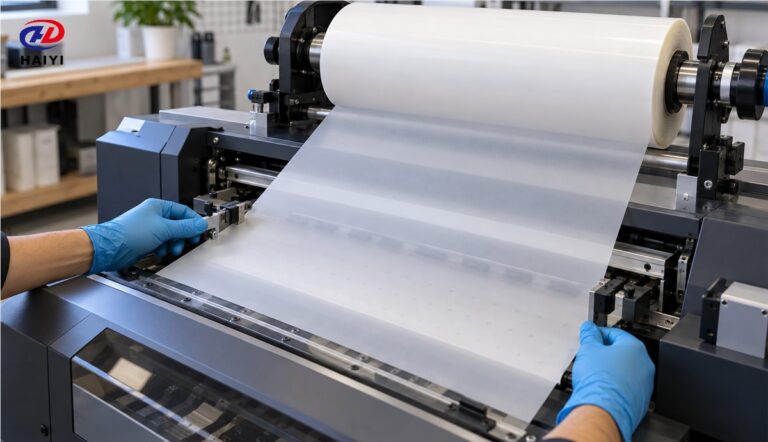
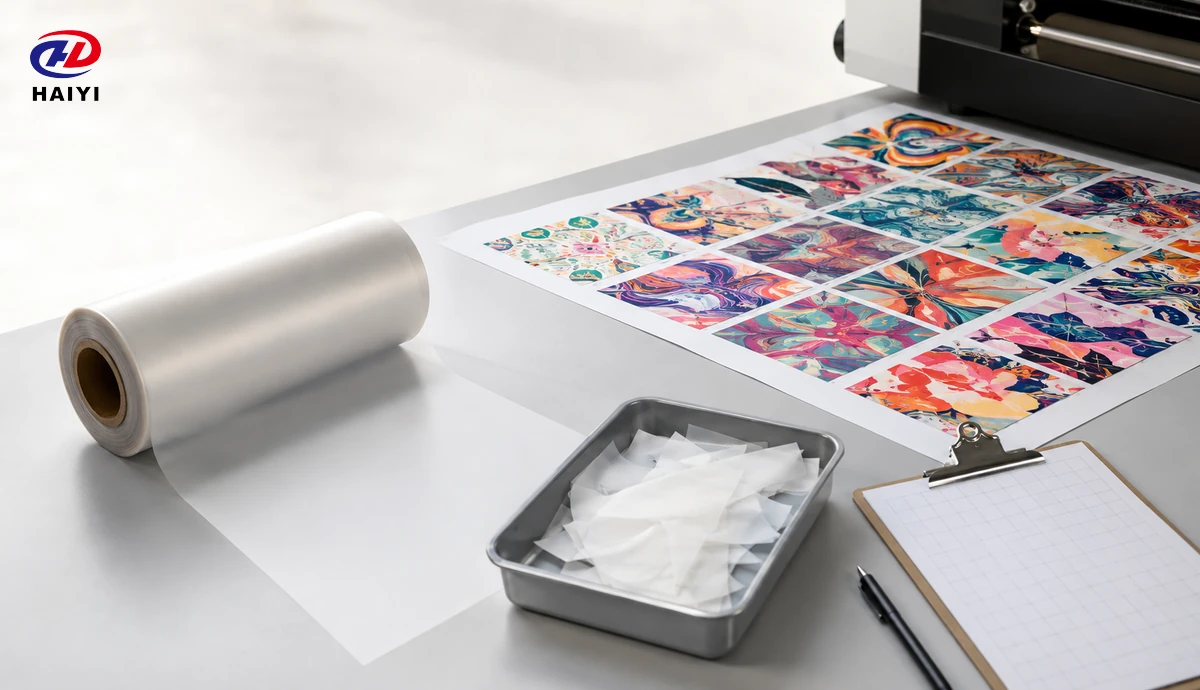
Group artwork by film type and approved process before optimizing the gang sheet for area. A conventional and an effect design printed on the same nominal roll width may still need different release instructions or inspection. Use clear job identifiers and reserve a repeat layout for the specialty film. Check the printer and finishing path against the actual roll width and usable image area. Leave space for reliable cutting and sorting, especially when several small effects look similar before pressing.
Decide whether the shop should print all effect transfers in one run or approve a smaller first lot before committing the rest. A single run can reduce setup and handling. A staged run gives the brand a chance to catch an unwanted finish or misplaced effect before consuming the roll. The right choice depends on sample confidence, delivery milestones, and how quickly the shop can schedule an extension. Record film lot and artwork revision for each run.
Use the cut and sort plan to prevent press errors. Group transfers by approved garment style and placement, and keep standard and effect editions visibly separate. A label on each group can identify the film, file version, artwork size, and destination SKU. This adds a small handling step but saves time when a mixed order includes repeated symbols at different sizes. For layout examples, see our DTF gang sheet planning guide.
How do you compare the cost of an effect edition?
Compare the cost per accepted garment after accounting for both decoration and the losses unique to the effect edition. Include blanks, printed transfers, labor for each placement, samples, setup, rejects, finishing, and packaging. Use the saleable count for the calculation. A roll price can be useful for purchasing, while the cost per accepted garment shows whether the planned selling price and batch size are realistic.
Consider an illustrative comparison for the same 24 saleable shirts. If a standard print package costs $216 for blanks and decoration, its cost is $9 per accepted shirt before selling overhead. If the effect version adds $60 for materials and pressing plus $24 for setup and tests, its cost becomes $300, or $12.50 per accepted shirt on the same basis. The extra $3.50 is the amount the label needs to account for in its pricing or margin plan, before any difference in rejects or sales costs.
Compare labor on the actual route to production. An effect that takes a second placement may tie up the press, even when it adds little film area. Measure the complete time for loading, positioning, pressing, release, and inspection on a pilot batch. If the schedule has little spare time, quote a separate production window for the effect units or run the standard version first. This keeps the launch date tied to the real work on the shop floor.
What should be recorded before the first saleable batch ships?
Keep one signed reference garment and a production record that connects the result to the actual inputs. Include blank identity, artwork version, placement, film and lot, ink and adhesive system, approved settings, and the conditions used to judge the effect. Photograph the design under consistent diffuse lighting and, when relevant, under angled or direct light. A photo can help explain the target, while the retained garment lets the team compare texture and appearance directly.
Inspect the first completed unit from each distinct combination before releasing the batch. Confirm alignment, visible effect, adhesion at vulnerable edges, and the finished appearance on the selected garment. Repeat checks after a roll change or change to the blank. When the artwork includes a separate accent, inspect the completed layout rather than approving the accent in isolation. Record any unit put on hold and why it failed so it cannot enter the saleable count by mistake.
Decide how substitute materials and reorders are handled. A different garment lot, film lot, or equipment setup can change the approved result. Keep the recipe and a retained sample available, and verify the first reorder run against them before assuming a match. For ongoing orders, ask the film supplier how lot information is marked and what samples are available before the next release.
How can a brand prepare for a fast restock?
Plan restocks around usable blank stock, approved artwork, film availability, and a known production window. Store the approved files and a layout that can be rerun without rebuilding the sheet. Record the next replenishment date for specialty film and decide which edition can be repeated if that material is unavailable. A standard design can be a separate planned SKU, while any replacement for a promised effect should be approved against what the customer ordered.
A restock decision should follow sales by garment size and edition. Repeating the entire first size mix can create leftover stock if only a few sizes sold out. Compare adding a short run of transfers with holding the same quantity as decorated garments. The first option preserves more flexibility, while the second can improve dispatch speed for the sizes the team expects to sell. Confirm storage guidance for the materials and identify the batch records needed at dispatch.
What should a brand specify in a wholesale film order?
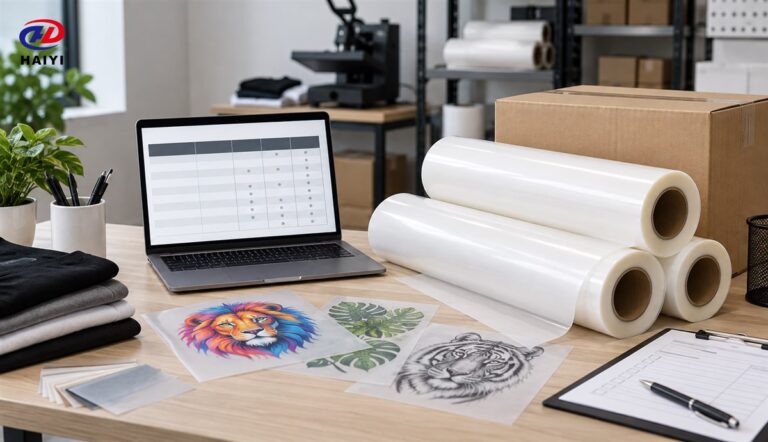
Write the purchase order around the approved film and its fit with the production line. Include the film identifier, expected finish, roll width and length, core dimensions, coating or print side identification, and winding arrangement. Ask the supplier to confirm which dimensions can be customized, the expected lead time for a trial roll, and how individual rolls are marked. Check the width against both the printer and the powder shaker or finishing equipment. A roll that fits its shipping carton still needs to fit the path used by the shop.
Keep sample approval and bulk acceptance linked. A buyer can record a reference transfer, the garment used, the exact film, and the finish review conditions, then ask the supplier to confirm the corresponding production specification. On receipt, check the label, roll dimensions, packaging condition, and visible winding before committing the lot. Follow with a small run using the approved file and garments. Where the sample is important to the launch, decide in advance how to handle a lot that differs in appearance or processing.
If a distributor serves several print shops, separate brand packaging needs from material performance. Ask which specification is common across orders, how lot codes will remain visible, and which widths or lengths belong to separate SKUs. Agree how corrections, replacements, and urgent repeat orders will be handled. A clear order record helps a distributor repeat the same approved product for different shops without confusing film fit, release instructions, or the finish sold to customers.
How should product photography and fulfillment represent a special finish?
Photograph and pack by approved edition so customers receive the finish the drop describes. Photograph a representative sample in diffuse light for the overall garment and add an angled or directional view if that is how the effect becomes visible. Use consistent exposure and identify the sample used. A visually dramatic close-up can help explain texture, while the wider photo shows how much of the graphic carries the effect. Confirm that production units match the same reference under the agreed review conditions.
Give each finish and size combination its own identifier in the sales and fulfillment records. Check that the carton or unit label connects the garment to that identifier and the corresponding production batch. If a restock arrives after the original batch has sold through, inspect it against the retained sample before using the earlier product photos. The customer receives a finished garment, so the handoff from printing to packing should preserve the same edition and artwork details used in production.
Discuss wholesale and custom DTF film with Haiyi
Haiyi supplies DTF film for wholesale and custom orders. If you are sourcing for a streetwear label, print shop, or distribution program, send your approved artwork size, garment styles and colors, desired finish, printer and finishing equipment details, required roll dimensions, and forecast volume. We can discuss available standard and specialty films, sample options, custom sizing, and packaging requirements for your project. Review our specialty DTF film range и contact Haiyi for a B2B quotation.