






DTF Consumables Compatibility Test: A Step-by-Step Sample Protocol
Test DTF film, ink, and powder as a defined combination using reference samples, controlled trials, staged inspection, and documented acceptance criteria.

مدة القراءة التقديرية: 13 دقيقة
A DTF consumables compatibility test should compare an identified film, ink, and hot-melt powder combination with an approved reference under controlled printing, curing, pressing, and peeling conditions. The protocol should inspect each production stage, repeat meaningful comparisons, and evaluate the intended fabric and durability requirements before release. One attractive transfer demonstrates a successful sample, while a documented series provides a stronger basis for a purchasing decision.
For distributors, print shops, and wholesale buyers, compatibility means that the specified materials work together within a defined production window. A film can perform well with one ink and powder combination yet require different conditions with another. Approval should therefore identify the complete tested configuration instead of describing an individual consumable as compatible with every DTF system.
This sample protocol focuses on introducing or combining consumables for textile DTF production. It differs from a routine comparison of two batches of the same film and from optimizing print settings for an established material set. The proposed records and sequence should be adapted to supplier instructions, equipment requirements, and customer expectations; no universal temperature, sample count, or acceptance limit is assumed.
Step 1: What decision should the compatibility test answer?
The test brief should state whether the buyer needs a direct replacement at existing settings or is willing to qualify a new production recipe. A replacement trial asks whether current performance can be maintained without an operational change. A development trial asks whether the candidate combination can achieve the required results after controlled adjustments, which creates a different approval scope.
The intended application should identify fabric construction, color, finish, artwork demands, transfer size, and expected use. Approval on a basic cotton swatch does not establish suitability for every polyester blend or coated garment. Selecting representative customer materials makes the test commercially relevant and reveals whether a candidate combination needs application-specific restrictions.
The acceptance plan should define required appearance, detail retention, powder cleanliness, release behavior, adhesion, handling, and durability outcomes before testing. Where evaluation is visual, use agreed defect descriptions and reference examples. A predefined boundary is more useful than deciding after the trial that a favored sample looks good enough.
Step 2: Which material identities and documents should be recorded?
Every sample should be linked to the film grade and lot, ink set and lots, powder grade and lot, and fabric reference. Include peel type, product revision where available, storage history, and sample receipt condition. Similar packaging or a familiar product name does not establish that the consumables match the configuration tested previously.
Supplier documentation should clarify intended equipment compatibility, processing guidance, handling requirements, and any limitations relevant to the candidate materials. Ask which recommendations apply to the exact supplied grade. The questions to ask a DTF film supplier provide a useful starting point for closing these information gaps before samples enter production equipment.
Batch documentation can support identity and material control, but it does not replace a complete transfer trial. A measured film property and a successful film-ink-powder combination answer different questions. The DTF film Certificate of Analysis checklist helps buyers distinguish current batch results from typical values and broader qualification evidence.
Step 3: How should the reference process be established?
The reference should be a currently accepted material combination with a documented production recipe and representative retained samples. Run the reference during the comparison period to confirm that the shared process remains capable of acceptable output. A historical sample alone cannot show whether current nozzle condition, humidity, or press behavior has changed since the earlier approval.
The baseline record should capture the printer and relevant maintenance checks, RIP preset, artwork revision, white-layer configuration, film feed setup, powder application method, curing process, press settings, and peel procedure. Record actual observations or verified conditions where available alongside machine setpoints. Two operators selecting the same displayed temperature may still apply different effective processes.
Material handling should follow the applicable supplier and equipment instructions, including the controls needed for powders, inks, and heated operations. Keep sample preparation consistent and avoid exposing only one candidate to unusual storage or handling. The DTF film handling checklist can support routine preparation, while the trial record should identify any departures that affect interpretation.
Step 4: How should a consumables comparison matrix be built?
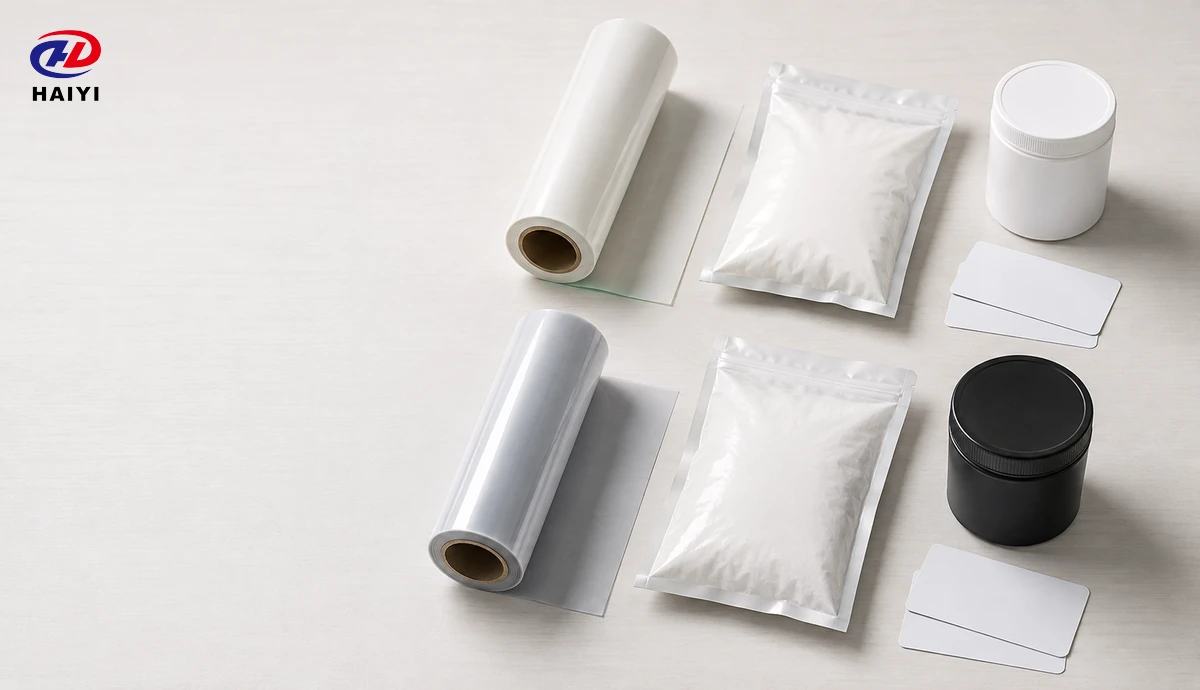
A practical first screen can substitute one candidate consumable into the reference combination while keeping other factors unchanged. This approach helps identify an immediate replacement effect under the selected recipe. However, separate substitutions do not establish how several new materials behave together, so the intended final combination still needs its own evaluation.
| Trial group | Film / ink / powder | Question addressed |
|---|---|---|
| Reference | Approved / approved / approved | Is the established process performing acceptably now? |
| Film substitution | Candidate / approved / approved | What changes when the film alone is replaced? |
| Ink substitution | Approved / candidate / approved | What changes with the candidate ink under an authorized changeover? |
| Powder substitution | Approved / approved / candidate | What changes when the powder alone is replaced? |
| Final combination | Specified candidate materials together | Does the actual proposed supply combination meet requirements? |
The matrix should include only substitutions relevant to the purchasing decision and permitted by the equipment and material guidance. Changing ink can require an approved changeover and stabilization procedure; it should not mean mixing unfamiliar ink into an existing reservoir. Record the actual process state so residual material or maintenance changes do not become an invisible experimental factor.
Interactions matter when the effect of one consumable depends on another consumable or setting. A candidate film that passes with the reference powder may behave differently with a new powder. NIST explains this principle in its discussion of experimental interactions. Applied to DTF testing, the principle supports checking the final combination instead of inferring its result from separate passes.
If the final combination behaves unexpectedly, a planned follow-up can compare the relevant pairs while preserving traceability and suitable controls. For two films and two powders with ink fixed, evaluating all four film-powder combinations can help investigate whether their relationship matters. This diagnostic design needs replication and careful interpretation; four isolated observations alone do not prove a stable interaction.
Step 5: What sampling and run order make the test credible?
The sampling plan should include material positions and independent production repetitions that represent the proposed use. Several readings from one printed coupon describe that coupon more than the complete process. Distribute selected samples across relevant film positions and repeat production where practical so local defects and normal process variation are less likely to dominate the conclusion.
Sample quantity should reflect the decision risk, expected variability, destructive evaluations, and available evidence. Reserve enough identified material for initial checks, durability tests, confirmation, and retained references. A fixed sample count copied from an unrelated trial can leave too little evidence for a variable process or consume unnecessary material for a narrow verification.
Run order should reduce avoidable bias while respecting difficult changeovers. Where feasible, alternate or randomize comparable trials and include reference checks within each production session. When ink changes require separate sessions, document the restriction and shared controls; otherwise a morning-versus-afternoon equipment change may be confused with a material difference.
Step 6: What should the diagnostic artwork contain?
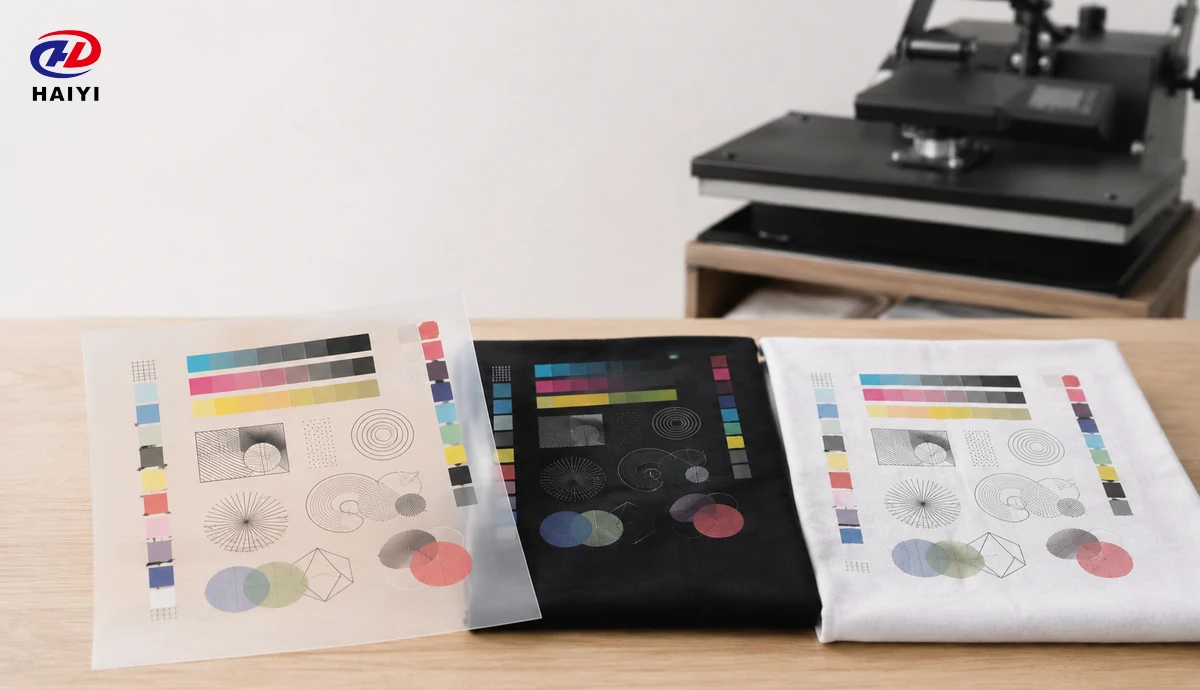
The diagnostic file should include solid areas, gradients, fine positive and negative detail, isolated small elements, and white coverage appropriate to the target products. These features challenge different parts of the transfer process. A large simple graphic may look acceptable while failing to reveal lost fine detail, uneven coverage, or unwanted powder around small elements.
The artwork revision, final size, placement, orientation, and output configuration should remain fixed during the initial comparison. Changing design density at the same time as film grade changes the drying and transfer demands. A saved preview and job record make it easier to reproduce a disputed result and verify that each candidate received a comparable challenge.
Step 7: What should be observed during printing?
The printing observation should record feeding stability, tracking, edge lift, visible contamination, ink wetting, detail definition, and white-layer appearance. Inspect samples before powder application so an upstream print defect is not mistaken for a later adhesion problem. A record of when the defect first appears narrows the next investigation more effectively than a final photograph alone.
Printability should be evaluated against both the agreed criteria and the current reference output. If reference and candidate show the same new defect, investigate the shared process before rejecting the candidate material. If only the candidate repeatedly shows the defect under comparable conditions, preserve the evidence and examine the relevant material-process relationship.
Step 8: How should powdering and curing be evaluated?
Powder evaluation should record coverage of printed areas, removal from unprinted regions, clumping, contamination, and consistency across the sample. Keep application and removal practices comparable during the first screen. Changing powder handling only for one material may create an apparent compatibility advantage that actually depends on extra operator intervention.
Curing evaluation should record the equipment, selected recipe, actual exposure information where measured, and the appearance and handling of the cured transfer. Supplier guidance establishes the starting range for the selected materials; surface appearance alone should not be treated as proof of complete processing. Preserve samples showing bubbles, distortion, blocking, or other agreed defects for comparison.
The trial should distinguish a candidate that works at the reference recipe from one that needs a new recipe. If adjustment is appropriate, create a separate development phase and retain the original result. The مصفوفة اختبار معلمات الطباعة DTF can help organize controlled setting changes after the initial consumables comparison has answered its narrower question.
Step 9: How should pressing and peeling be compared?
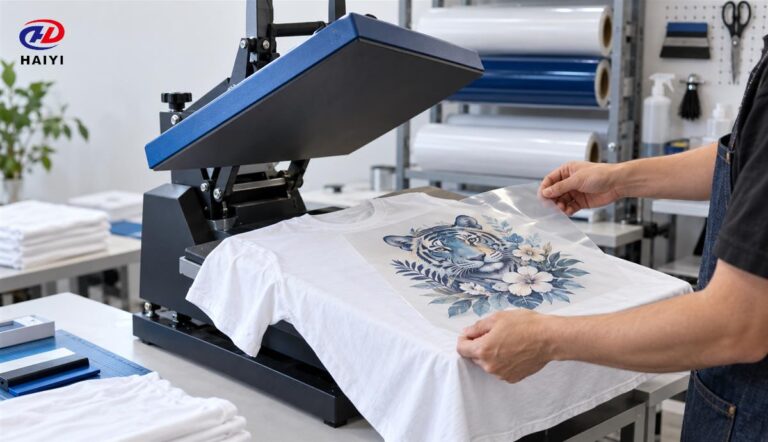
The pressing trial should use identified fabric samples with consistent preparation, placement, press conditions, and any specified finishing step. Include the garment constructions actually intended for sale because surface finish and material composition can affect the outcome. A candidate approved on one fabric should carry that scope until additional applications are evaluated.
Peel evaluation should define the applicable hot, warm, or cold condition through an agreed procedure rather than an informal operator impression. Record delay or temperature conditions where relevant, peel technique, incomplete release, detail loss, and residue. The دليل اختبار قوة تحرير فيلم DTF provides additional detail when quantitative comparison is needed.
Release and garment adhesion should be scored separately because they describe different interfaces. A film can separate cleanly while the final transfer has inadequate attachment, or require difficult peeling despite an acceptable bond afterward. Keeping the observations separate prevents a favorable peel result from hiding a problem that appears during use.
Step 10: Which finished-transfer checks are required?
The initial finished-transfer assessment should record appearance, fine-detail retention, edge condition, unwanted marks, hand feel against an approved reference, and any required deformation behavior. Use consistent lighting and defined handling when comparing visual or tactile results. An uncontrolled inspection can introduce more variation than the material difference being investigated.
Durability assessment should reflect the intended customer claim and care conditions, with documented conditioning, exposure, inspection intervals, and acceptance criteria. A brief wash screen can reveal an early weakness but does not establish an unrestricted durability claim. The بروتوكول اختبار الغسيل DTF explains how to retain comparable evidence when evaluating cracking, lifting, or shedding.
Additional checks should follow the application rather than an arbitrary long test list. A transfer intended for stretch garments may need a defined extension-and-recovery evaluation, while a migration-sensitive fabric may require appearance checks after an agreed interval. Record the purpose of each check so passing an unrelated test is not presented as evidence for an untested use.
Step 11: How should results lead to a clear decision?
A result table should show sample identity, test condition, required limit or reference, observed result, and disposition for each important characteristic. Keep failed or invalid trials visible with their explanations. A combined average score can hide a critical defect, so characteristics that determine acceptance should retain individual decisions.
A direct replacement may be accepted when the specified combination meets the agreed requirements under the existing process and confirmation evidence is sufficient. A candidate needing a revised recipe should receive a separate qualification decision identifying that recipe. A failed control or unresolved sample identity should lead to an inconclusive comparison rather than an unsupported material ranking.
Confirmation should use the final selected combination under representative production conditions and retain the applicable operating limits. Repeat the checks affected by any late changes to materials, settings, or fabric. A successful development sample does not automatically cover output made after further undocumented adjustments.
What should a reusable compatibility record include?
How should numerical and visual results be combined?
Numerical results should retain units, sample counts, and the spread of observations where relevant, while visual assessments should use consistent defect categories. A precise measurement does not automatically outweigh a visible failure that matters to the customer. Review each result against its intended function so strong performance in one category cannot cancel an unacceptable result in another.
How should a usable process window be confirmed?
A candidate process should be checked at relevant conditions within the proposed operating range after the initial recipe succeeds. A combination that works at one narrowly controlled point may be difficult to reproduce during routine operation. Select the confirmation conditions from actual production variation and supplier guidance, and keep any untested conditions outside the stated approval.
What should happen when the reference fails?
A failed reference should trigger review of shared equipment, material condition, and the test procedure before conclusions are drawn about a candidate. Preserve both results and document the cause when established. If the trial is repeated after correction, identify the new session separately so the improved process is not merged silently with the earlier invalid comparison.
Should cost be part of the compatibility decision?
Compatibility acceptance should come before commercial ranking, but production cost can help choose among technically acceptable combinations. Record accepted output, material consumption, extra handling, reprints, and required setting changes. A lower purchase price may offer little benefit if the combination adds frequent cleaning or difficult peeling, while a modest process adjustment may be worthwhile when its result is repeatable.
How should samples be shared with a supplier?
A supplier evidence pack should include identified failed and acceptable samples, the matching configuration records, and photographs from the stage where the problem first appeared. Send the question the supplier needs to answer along with the evidence. An unexplained damaged transfer gives less diagnostic value than paired samples showing how the candidate and reference behaved under comparable conditions.
For distributors, the approved technical configuration should remain linked to the customer-facing product code even when packaging changes. The private label DTF film guide explains the related commercial workflow. Maintaining that mapping helps purchasing teams reorder the qualified material and lets technical staff trace a complaint to the correct specification and lot.
A reusable record should let production and purchasing identify the approved combination without reconstructing the trial from messages. Link the record to original data, photographs, retained samples, and the released process instructions. The following template is a planning aid rather than a completed test report or evidence of product approval.
DTF CONSUMABLES COMPATIBILITY RECORD
Project and decision: replacement or new process qualification
Customer application and fabric references:
Film grade, lot, peel type and sample positions:
Ink set, lots and authorized changeover record:
Powder grade, lot and handling history:
Reference configuration and retained sample IDs:
Candidate combinations and trial identifiers:
Equipment, maintenance checks and production session:
Artwork revision, dimensions and RIP preset:
Printing, powdering, curing, pressing and peel conditions:
Run order, repetitions and reference checks:
Acceptance criteria and inspection methods:

RESULTS BY STAGE
Print and feed observations:
Powder coverage and background cleanliness:
Cured transfer condition:
Release behavior and detail retention:
Finished fabric appearance and adhesion observations:
Durability conditions, intervals and results:
Deviations, invalid trials and corrective actions:

RELEASE
Approved material combination and process revision:
Covered fabrics and application restrictions:
Confirmation evidence and unresolved items:
Approver, date and record references:
Retained samples and requalification triggers:
Which questions commonly arise during sample testing?
Can a supplier demonstration replace the buyer trial?
A supplier demonstration can show that a combination works under the demonstrated conditions and help select candidates. It does not establish identical performance on different equipment, fabrics, or settings. Buyers should use the demonstration as supporting evidence and confirm the proposed combination within the actual production scope before releasing a substantial order.
What if no approved reference combination exists?
A new operation should begin with documented supplier-supported materials and establish an acceptable baseline against predefined application requirements. Without an approved reference, the trial is initial qualification rather than a replacement comparison. Record that distinction so a first successful sample is not described as proof of equivalence to a process that never existed.
Does approval apply to future batches automatically?
Compatibility qualification establishes a defined material and process combination, while incoming controls address continued supply. Changes to grade, formulation, relevant equipment, or application can require renewed evaluation. Repeat orders should preserve product identity and change notification so the original approval does not silently expand to different materials.
How can B2B buyers request suitable DTF film samples?
Buyers should send their printer configuration, current film and peel requirements, ink and powder specifications, target fabrics, estimated volume, and the decision the trial must support. Include known defects and acceptance priorities so the sample discussion addresses practical production needs. A clear test brief helps the supplier propose relevant material options and documentation.
Haiyi provides DTF film wholesale and customization services for distributors and printing businesses. Review Haiyi wholesale and OEM DTF film options and request samples for your intended consumables combination. Ask the team to confirm available film specifications, processing guidance, packaging options, and sample arrangements for the selected product.
For a branded supply program, include your roll dimensions, labeling needs, expected purchasing schedule, and required qualification records with the inquiry. Approve the actual film combination through a documented trial before scaling the order. A shared record of materials, process conditions, and accepted applications gives both buyer and supplier a practical foundation for repeat supply.