






Why Does DTF Ink Spread on Film? A Diagnostic Guide
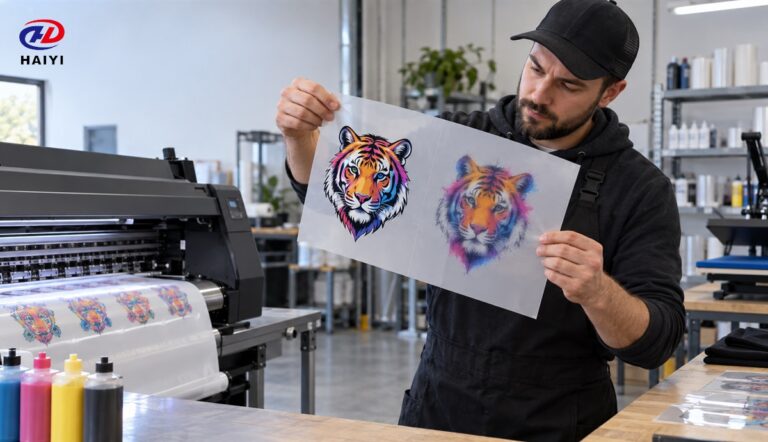
Diagnose DTF ink spreading by checking film side, coating, RIP density, white ink, nozzles, head height, environment, and controlled component swaps.

Diagnose DTF ink spreading by checking film side, coating, RIP density, white ink, nozzles, head height, environment, and controlled component swaps.
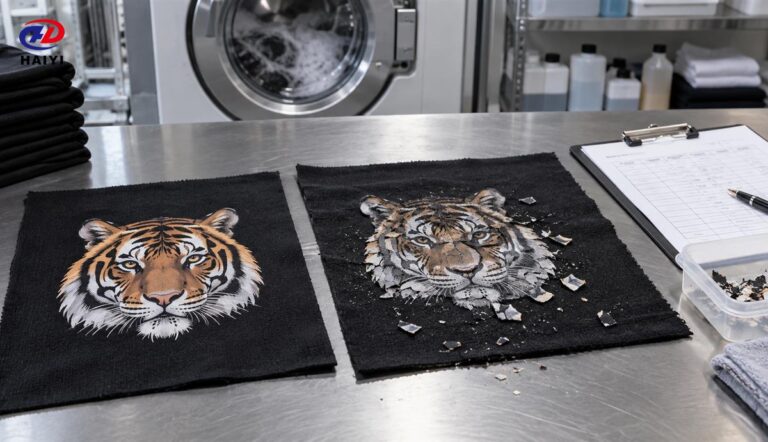
A controlled DTF wash-test protocol for identifying cracking, peeling, shedding, and their likely production causes.

Learn how UV DTF crystal labels work, which hard surfaces suit them, how to apply them, and what wholesale buyers should inspect.
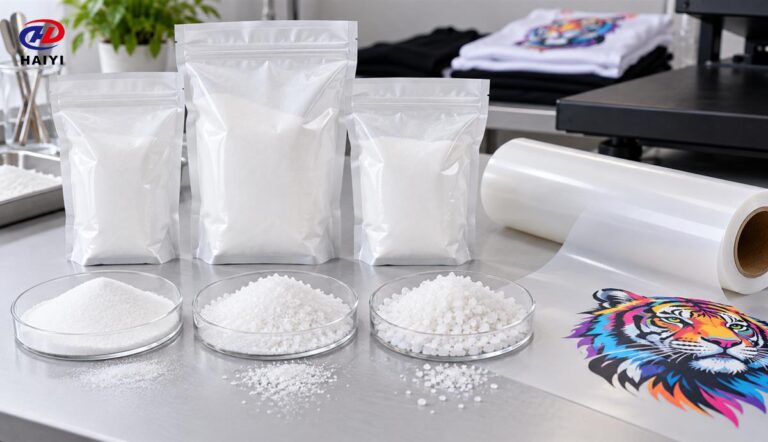
Understand how DTF hot melt powder chemistry, particle size, curing, application, storage, and compatibility affect transfer performance.
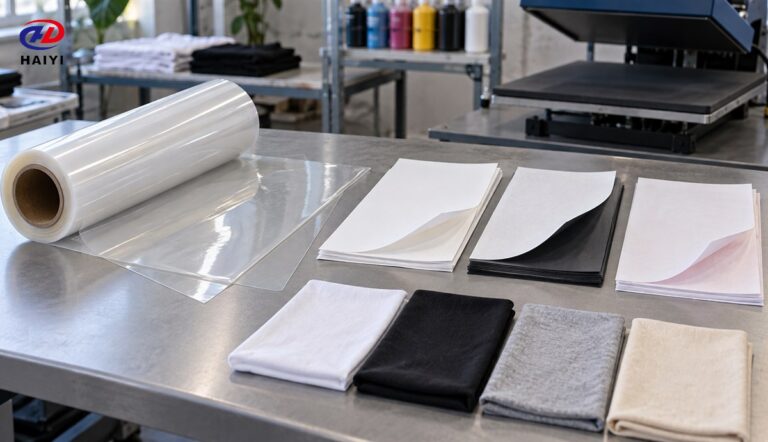
DTF film and heat transfer paper are not the same. Compare carriers, inks, workflows, fabrics, equipment, and selection criteria.
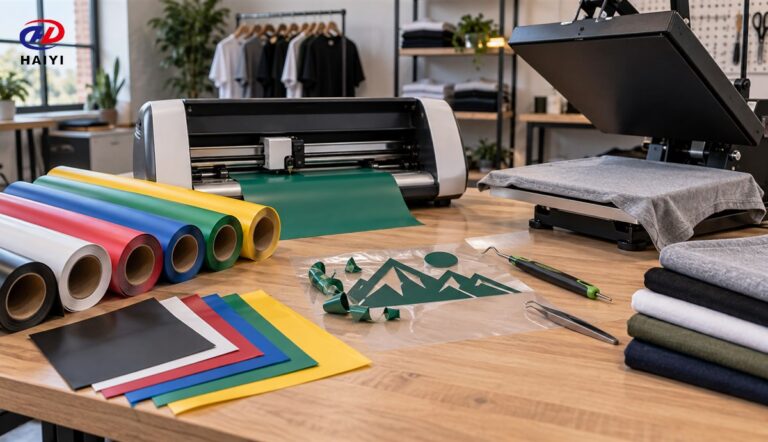
Learn what heat transfer vinyl is, how HTV works, its main types, suitable fabrics, application steps, quality checks, and limitations.
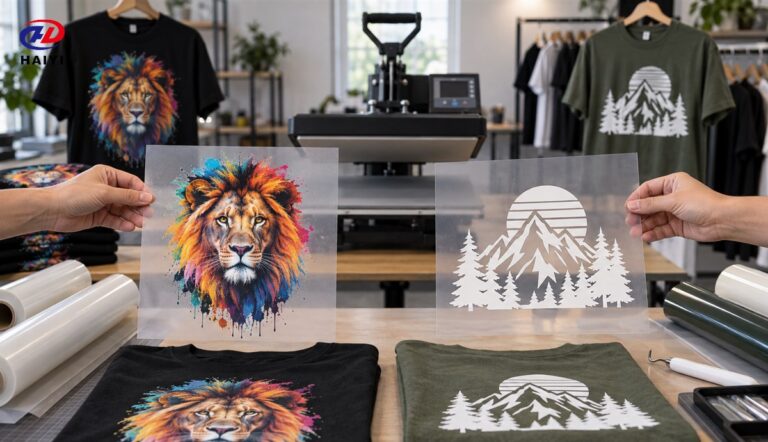
Compare DTF film and heat transfer vinyl by artwork, labor, cost drivers, fabric, feel, durability, equipment, and production fit.
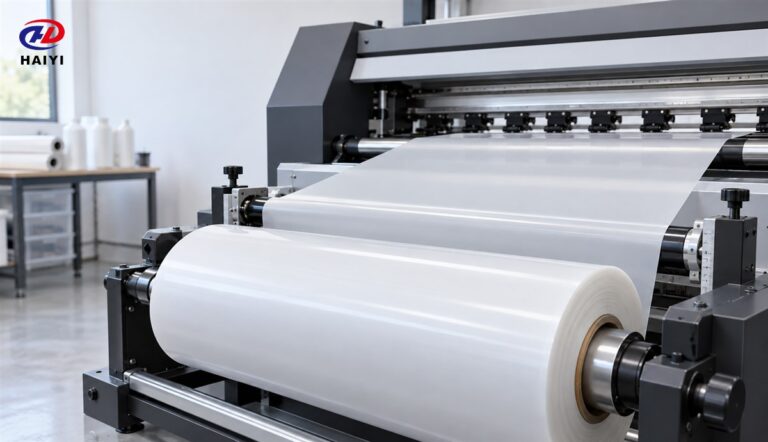
Learn when a double-sided DTF film back treatment can improve feeding stability, how to test it, and when single-sided film remains sufficient.
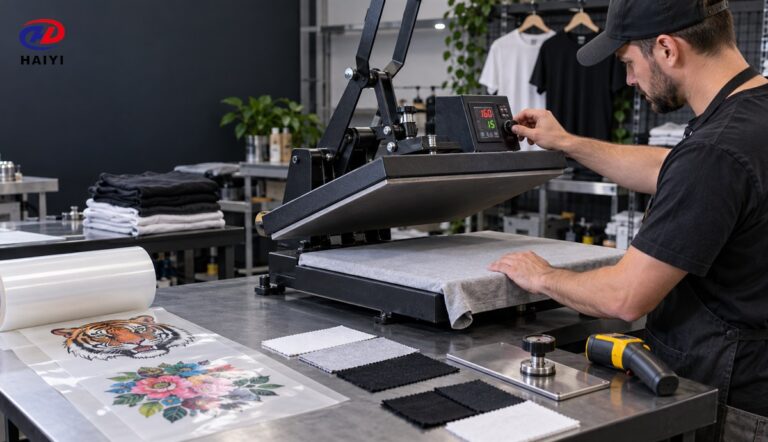
Learn how temperature, time, pressure, peel timing, fabric, and test methods work together to create repeatable DTF heat press results.
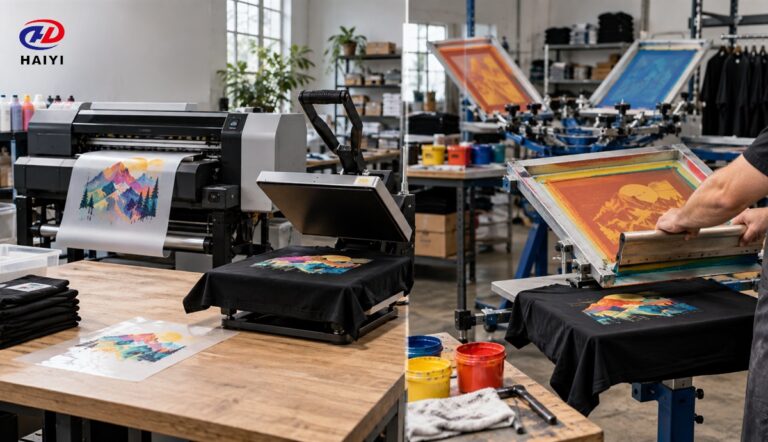
Compare DTF and screen printing by setup, artwork, fabric, volume, hand feel, durability, capacity, and cost per accepted garment.
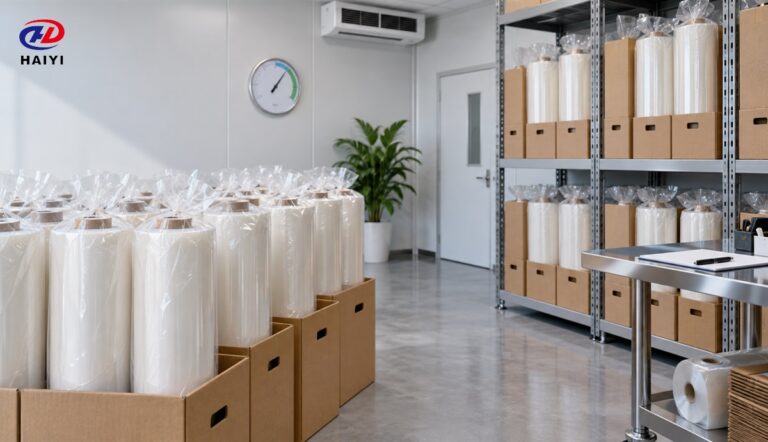
Prevent and diagnose DTF film moisture problems with controlled storage, sealed acclimation, receiving checks, traceability, and systematic testing.
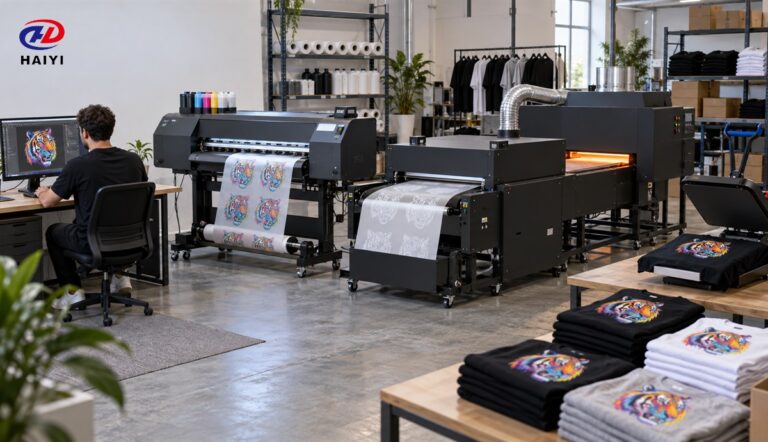
Understand real DTF production time across artwork, printing, powdering, curing, pressing, peeling, inspection, bottlenecks, and order planning.