







ما هي الأسئلة التي يجب طرحها على مورد أفلام DTF قبل الطلب؟
استخدم 20 سؤالاً عملياً للمورد للتحقق من مواصفات فيلم DTF، ومدى ملاءمة العينة، وضوابط الدفعات، وإمكانية التتبع، والتسعير، والتعبئة والتغليف، ومعالجة الشكاوى.

قبل طلب فيلم DTF، اطلب من المورد تحديد المنتج بدقة، وشرح حدود تشغيله، وبيان كيفية ارتباط العينات بدفعات الإنتاج، ووضع قبول الجودة ومعالجة الشكاوى كتابيًا. يُعد السعر والحد الأدنى لكمية الطلب مهمين، لكنهما لا يُمكنهما تحديد ما إذا كان الفيلم سيعمل بسلاسة على جهازك أو ما إذا كان بالإمكان تتبع أي مشكلة بعد التسليم. الأسئلة الأكثر فائدة هي التي تُنتج وثائق، وشروطًا قابلة للقياس، ومسؤوليات محددة، بدلًا من مجرد صفات مطمئنة.
مدة القراءة المقدرة: 13 دقيقة.
هذا الدليل عبارة عن استبيان عملي لمشتري أفلام الطباعة الرقمية على المنسوجات، بما في ذلك المطابع ومنتجي وموزعي هذه الأفلام. وهو يغطي أفلام PET الحاملة المستخدمة مع أحبار الطباعة المتوافقة، ومساحيق اللصق، ومعدات المعالجة، والمكابس الحرارية. ولا يُعد هذا الاستبيان خاصًا بأفلام الطباعة الرقمية على المنسوجات بتقنية الأشعة فوق البنفسجية (UV DTF A/B)، والتي تختلف طريقة استخدامها. استخدم الأسئلة أدناه لتحويل حوار المبيعات إلى قرار شراء قائم على الأدلة.
ما الذي يجب عليك إرساله قبل طلب المشورة من المورد؟
زوّد المورّد بمعلومات كافية لتوصية فيلم مُحدد. اذكر طراز طابعتك ونظام التغذية، ومنتجات الحبر والبودرة، وشكل اللفائف أو الصفائح، وطريقة التقشير المُفضلة، ومعدات المعالجة، وطراز المكبس، والأقمشة الرئيسية، والاستهلاك الشهري المُتوقع. أضف السوق المُستهدف، وموقع التسليم، وما إذا كان الطلب عينة، أو تجربة إنتاج، أو عملية شراء مُتكررة، أو برنامج علامة تجارية خاصة.
صف أيضًا المشكلة التي تحاول تجنبها. فالشركة التي تعاني من عدم انتظام عملية التوزيع تحتاج إلى نقاش مختلف عن الموزع الذي يواجه مشكلة تلف أطراف اللفائف. وبدون هذا السياق، حتى عرض الأسعار المفصل قد يُركز على المخاطر الخاطئة. احتفظ بنسخة واحدة من هذا الموجز وأرسلها إلى جميع المرشحين لضمان قابلية مقارنة إجاباتهم.
ما هي الأسئلة التي يجب أن تطرحها أولاً على مورد أفلام DTF؟
| أولوية | سؤال | أدلة مفيدة |
|---|---|---|
| هوية المنتج | ما هو رقم المنتج (SKU) والإصدار الذي توصي به تحديدًا؟ | ورقة البيانات الفنية ومراجع المواصفات |
| التوافق | ما الذي تم اختباره، وما الذي لا يزال غير مؤكد؟ | المعدات والمواد الاستهلاكية والإعدادات والنتائج المسجلة |
| مدى ملاءمة العينة | هل تمثل هذه العينة الفيلم الذي سنستلمه؟ | رقم دفعة العينة، تاريخ الإنتاج، والمرجع المحفوظ |
| قابلية التكرار | كيف يتم إصدار وتتبع دفعات الإنتاج؟ | مثال على تقرير فحص وتصنيف مرتبط بالدفعة |
| الوضوح التجاري | ما الذي يشمله، وما الذي يستثنيه، وما الذي يشترطه؟ | عرض أسعار مفصل مع بيان الصلاحية والكمية |
| حل المشكلات | ماذا يحدث إذا لم يتم تلبية أحد المتطلبات المتفق عليها؟ | إجراءات تقديم المطالبات الكتابية، ومتطلبات الأدلة، وسبل الانتصاف |
لا تكتفِ بنعم أو لا. اطلب المستند الذي يدعم كل إجابة، وسجّل أي شيء لا يزال مجهولاً. غالباً ما يكون تحديد القيود بوضوح أكثر فائدة من وعد غير مدعوم بالتوافق مع كل طابعة ونسيج.
ما هي الأسئلة التي تحدد الفيلم بدقة وحدوده؟
1. ما هو رمز المنتج الذي سيظهر على العينة، وعرض الأسعار، والشحنة؟
اطلب مُعرِّفًا واحدًا مُوحَّدًا يشمل العينة، وبياناتها الفنية، وعرض الأسعار، وأمر الشراء، وملصق الكرتون، وتقرير الدفعة. اطلب أيضًا تاريخ مراجعة المواصفات. لا تكفي الأسماء التجارية، مثل "فيلم ممتاز"، للتمييز بين نوعين من الطلاء أو خصائص التحرر.
تُربط الإجابة المفيدة التوصية برمز تعريف المنتج (SKU) المحدد. يجب المتابعة إذا أرسل المورد عدة بيانات دون تحديد أي منها ينطبق. وإلا، يمكن إرسال عينة ناجحة متبوعة بمنتج آخر يتوافق مع الصياغة العامة للطلب.
2. ما هي الأبعاد والتفاوتات وتفاصيل اللف المضمونة؟
تأكد من العرض والطول والسماكة وأساس قياس السماكة وأبعاد اللب وأقصى قطر للفة واتجاه اللف. استفسر عن كيفية قياس التفاوتات في الأبعاد وما إذا كانت السماكة المذكورة تصف قاعدة البولي إيثيلين تيريفثالات (PET) أم الفيلم المطلي النهائي. بالنسبة لللفائف، استفسر عن الوصلات المسموح بها وكيفية تمييزها.
تؤثر هذه التفاصيل على التحميل والإنتاجية القابلة للاستخدام، وليس فقط على شراء الوحدات. لا يحدد حجم اللفة الاسمي توافق التغذية. دليل سمك فيلم DTFil يشرح هذا الاستبيان المفاضلات في عملية الاختيار؛ ويطلب من المورد الالتزام بالمواصفات الفعلية المعروضة.
3. كيف تحدد نوع التقشير وفترة التقشير المقبولة؟
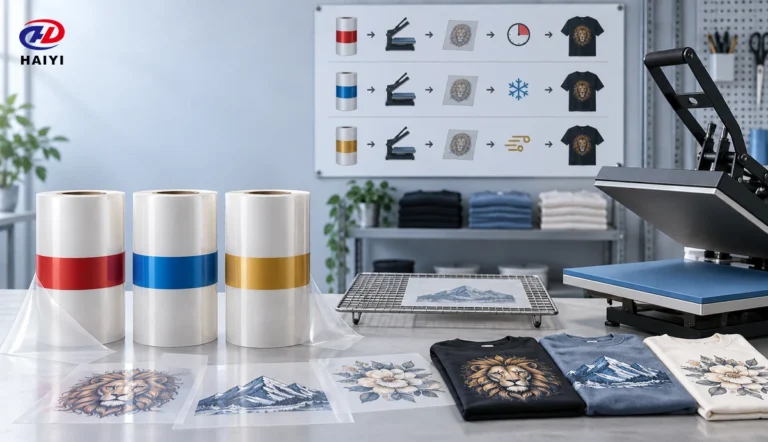
استفسر عن الوقت المناسب لإزالة الغلاف بعد الضغط، وما إذا كان التبريد ضروريًا، وماذا يحدث خارج الفترة الزمنية الموصى بها. اطلب تعليمات حول اتجاه التقشير، والتوقيت، وأي ضغطة ثانية. يجب أن تؤدي ملصقات التقشير الساخن والدافئ والبارد والفوري إلى تعليمات التشغيل، لا أن تحل محلها.
يُقدّم الجواب الواضح شروطًا دقيقةً للمنتج، مع مراعاة اختلافات المعدات. ولا يُعدّ فيديو لعملية تقشير ناجحة واحدة دليلًا على وجود هامش خطأ في الإنتاج. راجع قسمنا دليل أنواع تقشير أفلام DTF للاطلاع على المصطلحات قبل مقارنة التعليمات المكتوبة.
4. ماذا يعني مصطلح "من جانب واحد" أو "من جانبين" بالنسبة لهذا المنتج؟
استفسر عن الجانب القابل للطباعة، وكيفية تحديده من قِبل المستخدمين، وما هي المعالجة الوظيفية المطبقة على الجانب الخلفي. وضح ما إذا كانت المعالجة الخلفية تهدف إلى تسهيل التعامل، أو تقليل الاحتكاك، أو التحكم في الشحنات الساكنة. لا ينبغي تفسير المعالجة على الوجهين على أنها إذن بالطباعة على كلا الجانبين دون تأكيد صريح.
اطلب عينة مُعلّمة ومخطط تحميل. العينة التي لا تعمل إلا بعد أن يختار مندوب مبيعات خبير الوجه الصحيح تترك الكثير من عدم اليقين لفريق الاستلام أو المشغل غير المطلع.
5. ما هي التطبيقات التي لا ينبغي استخدام هذا الفيلم فيها؟
استفسر عن القيود المعروفة المتعلقة بتشطيبات الأقمشة، والمواد الحساسة للحرارة، وتطبيقات التمدد، وانتقال الصبغة، والتأثيرات الخاصة ذات الصلة بنشاطك التجاري. الهدف هو تحديد المجالات التي تتطلب مزيدًا من التحقق، وليس الحصول على ضمان شامل لجميع أنواع المنسوجات.
اطلب أمثلة على ظروف التطبيق التي تتطلب غشاءً أو مسحوقًا أو عملية نقل مختلفة. اعتبر الادعاءات العامة، مثل "مناسب لجميع أنواع الأقمشة"، غير مكتملة حتى يحدد المورد المواد والظروف المختبرة. لا يُعد الغشاء وحده دليلاً على أداء عملية النقل النهائية.
كيف ينبغي لك أن تتساءل عن مدى توافق العينات وأدائها؟
6. هل قمت باختبار إعداد مماثل لإعدادنا؟
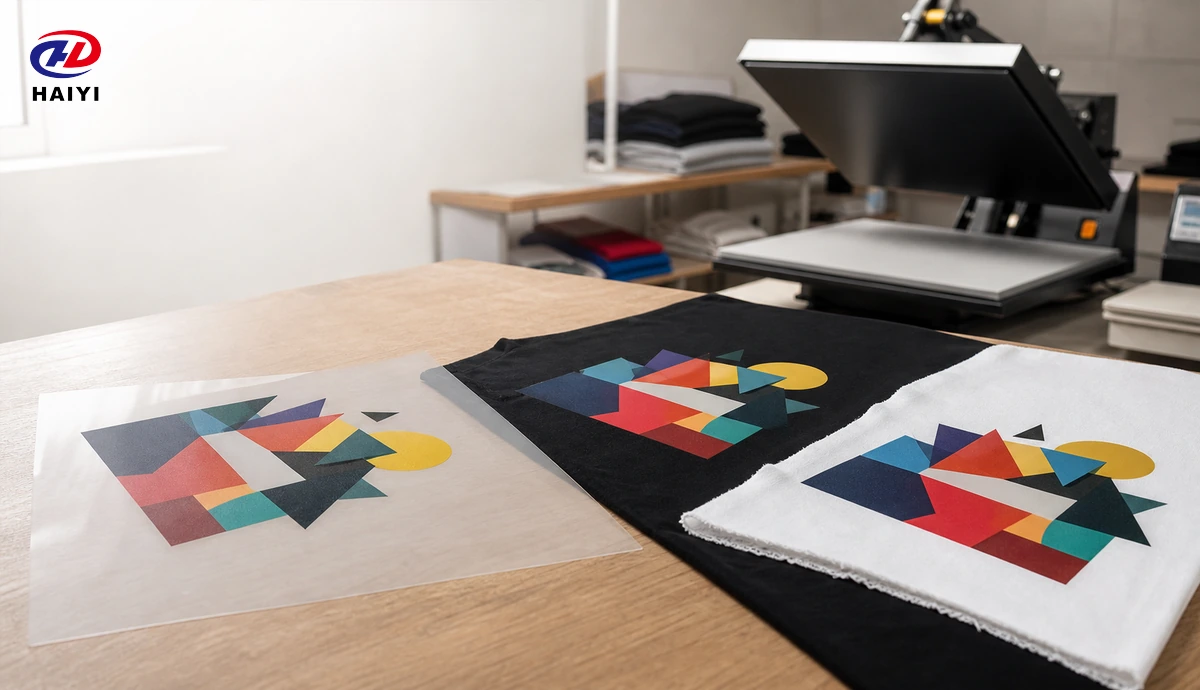
استفسر عن نوع الطابعة والحبر والمسحوق ونمط الطباعة ومعدات المعالجة والآلة والقماش المستخدم. افصل بين الأدلة المباشرة للاختبار والتوصيات المبنية على معدات مماثلة. ليس من الضروري أن يكون المورد قد اختبر كل تركيبة ممكنة، ولكن عليه أن يميز بوضوح بين النتائج المؤكدة والافتراضات.
تشمل معايير التوافق التغذية، وسلوك الصورة الرطبة، والتعامل مع المسحوق، والتحرير، وأداء نقل المنتج النهائي. إذا لم يتم اختبار إعدادك المحدد، فاتفق على تجربة أولية بدلاً من اعتبار قائمة التوافق العامة بمثابة موافقة نهائية.
7. ما هي الإعدادات التي تمثل نقاط البداية، وكيف ينبغي لنا التحقق من صحتها؟
اطلب إرشادات منفصلة للطباعة، وتطبيق المسحوق، والتجفيف، والضغط، والتقشير، وأي عملية تشطيب نهائية. استفسر عما إذا كانت درجات الحرارة تشير إلى نقاط ضبط وحدة التحكم أو درجات حرارة العملية المقاسة، واسأل عن كيفية تسجيل الوقت والضغط وتدفق الهواء.
لا تُغني وصفة موحدة لدرجة الحرارة والوقت عن التجارب العملية على خط الإنتاج. اسأل عن النتائج المقبولة للمعالجة والنقل، وما هي المتغيرات التي يجب تغييرها أولاً في حال فشلها. سجّل التعديلات بشكل فردي حتى يبقى سبب التحسن واضحًا.
8. هل العينة من الإنتاج العادي، وهل يمكننا اختبار كمية كافية من المواد؟
اطلب رقم دفعة العينة، وتاريخ الإنتاج، وعلاقتها برمز المنتج المقترح للبيع بالجملة. استفسر عما إذا كانت العينة قد أُعدت خصيصًا، أو اختيرت يدويًا، أو أُخذت من إنتاج جاهز للبيع. العينة الخاصة ليست بالضرورة غير مناسبة، ولكن يجب فهم حدودها.
اطلب كمية كافية من الفيلم لاختبار التغذية المستمرة، والمعالجة والضغط المتكررين، وأكثر من تصميم واحد. قد تجيب بضع أوراق على سؤال أساسي حول عملية الإطلاق، لكنها لا تكفي لتحديد كيفية فك لفة الإنتاج. احتفظ بسجل مرجعي مُعَلَّم، وسجّل جميع دفعات المواد الاستهلاكية المستخدمة أثناء الاختبار.
9. ما الذي يدعم ادعاءاتكم بشأن المتانة تحديداً؟
بالنسبة لادعاءات الغسيل أو التمدد، اطلب طريقة الاختبار، وتركيبة النسيج، ووصفة النقل الكاملة، وفترة التكييف، وظروف الغسيل والتجفيف، وعدد دورات الغسيل، ومعايير القبول. استفسر عما إذا كان التقرير يتعلق بالنقل النهائي أم بخاصية مادية للفيلم فقط.
إنّ الادعاء بأنّ الطباعة صمدت أمام غسلات عديدة لا يكتمل دون تحديد نقطة نهاية واضحة. اتفقوا على كيفية تقييم التشقّق، أو انفصال الحواف، أو تغيّر اللون، أو غيرها من العيوب. أجروا اختبارات مماثلة باستخدام الأقمشة التي تنوون استخدامها قبل تقديم أيّ وعود للعملاء بشأن المتانة.
ما هي الأسئلة التي تكشف ما إذا كانت الجودة قابلة للتكرار؟
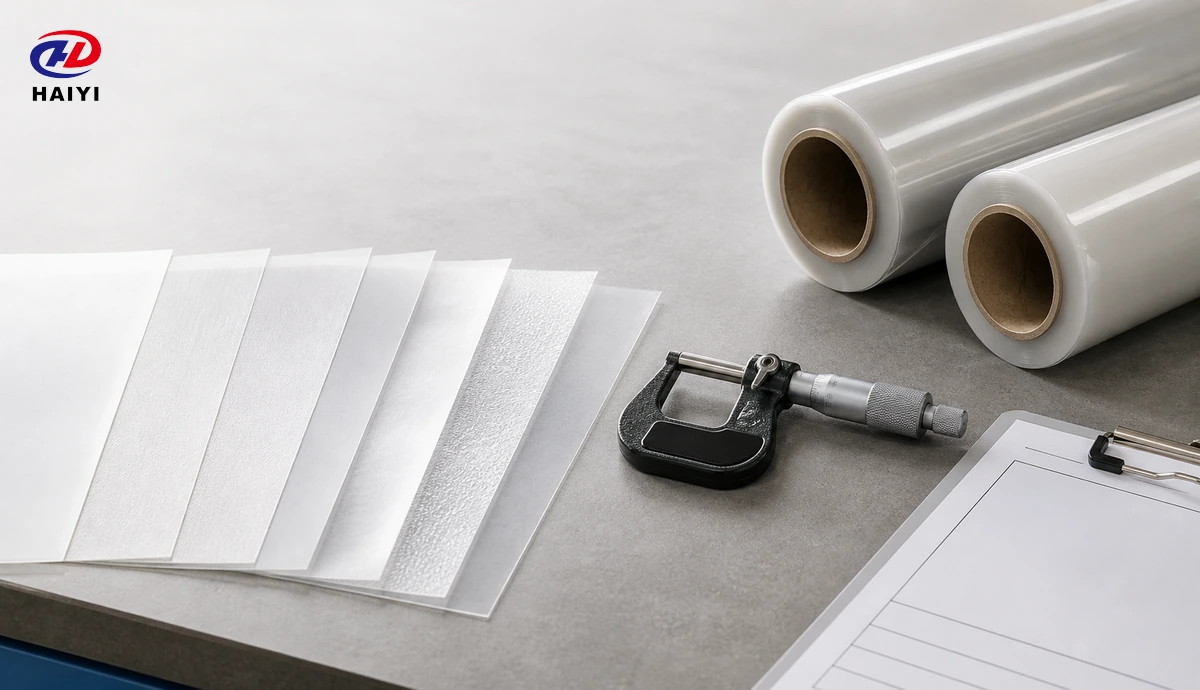
10. ما هي خطوات الإنتاج التي تتحكم بها، ومن المسؤول عن قرارات الجودة؟
استفسر عما إذا كان المورد يقوم بتغليف الفيلم، أو تقطيعه، أو لفه، أو تعبئته، أو توزيعه فقط. اطلب تحديد موقع كل مرحلة من المراحل ذات الصلة والجهة المسؤولة عنها، بالإضافة إلى اسم الشخص أو منصبه المخوّل بالتحقيق في العيوب والموافقة على الإجراءات التصحيحية.
قد تكون الشركات التجارية مسؤولة، بينما قد يعاني المصانع من ضعف التواصل. والفرق الجوهري يكمن في الشفافية في المسؤولية. فعدم وضوح الإجابة حول مكان حدوث التغليف أو التقطيع يُصعّب فهم الجهة المسؤولة عن حل المشكلات المتكررة.
11. ما الذي يتم فحصه قبل إصدار دفعة؟
اطلب نسخة منقحة من تقرير الدفعة النهائية. استفسر عن الفحوصات التي تغطي الأبعاد، وعيوب الطلاء المرئية، واللف، وسلوك الفصل، وأداء الطباعة والنقل النموذجي. وضح مواقع أخذ العينات، وتواتر الاختبار، والأساليب، وحدود القبول.
يُعدّ التقرير الذي يحتوي على علامات النجاح فقط أقل إفادة من التقرير الذي يُبيّن المواصفات والطريقة والنتيجة وهوية الدفعة. لا يُشترط الكشف عن التركيب الكيميائي الخاص بالطلاء للحصول على أدلة جودة مفيدة. للاطلاع على سياق العملية، يُرجى مراجعة العوامل التي تؤثر على جودة طباعة DTF; ينبغي أن تتكامل عمليات التحقق من الموردين وضوابط خط الإنتاج الخاصة بك مع بعضها البعض.
12. هل يمكن تتبع كل لفة إلى دفعة معينة وعينة محفوظة؟
استفسر عن المعرّفات الظاهرة على كل لفة وكرتونة، وكيفية تمييز الدفعات المختلطة، ومدة الاحتفاظ بسجلات التصنيع وعينات المرجع. اطلب مثالاً على تتبع رمز كرتونة إلى سجل إنتاجها وفحصها.
بالنسبة للموزعين، يجب أن يظل المعرّف قابلاً للاستخدام بعد إعادة التعبئة أو تقسيم الشحنة. وإلا، فقد تؤدي شكوى من أحد العملاء إلى تجميد مخزون غير ذي صلة. اتفقوا على كيفية قيام نظام الاستلام بتسجيل دفعة المورد قبل وصول الشحنة الأولى.
13. هل ستخطرنا قبل حدوث أي تغيير في المنتج أو العملية؟
استفسر عن أسباب إصدار إشعار التغيير: هل هو تعديل في الطلاء، أم تغيير في مصدر مادة البولي إيثيلين تيريفثالات (PET)، أم تغيير في موقع الإنتاج، أم تعديل في عملية التقطيع، أم استبدال اللب، أم تغيير في التغليف؟ حدد التغييرات التي تتطلب عينة بديلة وموافقة خطية من المشتري قبل الشحن.
عبارة "نفس الجودة" ليست إجراءً للتحكم في التغييرات. قد تستوفي المادة مواصفات عامة، لكنها تتصرف بشكل مختلف على خط إنتاج معين. يجب تحديد رمز المنتج المعتمد (SKU) والتعديل في الطلبات المتكررة، ومنع البدائل غير المعتمدة في شروط الشراء المتفق عليها.
14. ما هي الوثائق التي تنطبق على هذا المنتج تحديداً؟
اطلب الاطلاع على أحدث البيانات الفنية وأي معلومات ذات صلة بالسلامة أو المناولة أو الامتثال للمنتج والسوق. لكل تقرير أو شهادة مُقدمة، تحقق من الجهة المُصدرة، والتاريخ، والنطاق، والمواد المختبرة، وتطابق هوية المنتج.
لا تُثبت شهادة إدارة المصنع متانة النقل أو ملاءمته لاستخدام نهائي مُحدد. وبالمثل، لا ينبغي تقديم أي وثيقة خاصة بالحبر أو المسحوق أو أي نوع آخر من الأفلام كدليل على المنتج المطلوب. يُرجى التأكد من المتطلبات الخاصة بالوجهة مع الجهة المؤهلة المختصة.
ما الذي يجب أن توضحه اتفاقية عرض الأسعار واتفاقية الخدمة؟
15. ما هو الحد الأدنى الذي ينطبق على كل منتج وخيار تغليف؟
حدد الحد الأدنى للطلبات لكل من العينات، والمنتجات التجريبية، والمخزون القياسي، والمنتجات ذات الرموز المتعددة، والإنتاج حسب الطلب، والتغليف المطبوع. استفسر عما إذا كان بالإمكان دمج عروض مختلفة أو أنواع مختلفة من الأغطية، وما إذا كان الخصم ينطبق على إجمالي الطلب أو على كل بند على حدة.
اطلب الإجابة في جدول أسعار مختصر بدلاً من الاعتماد على الحد الأدنى لكمية الطلب في عنوان واحد. يرجى أيضاً تأكيد ملكية وتخزين العبوات المخصصة غير المستخدمة. دليل الحد الأدنى لكمية الطلب لأفلام DTF بالجملة يستكشف هذا البحث تخطيط المخزون؛ والهدف هنا هو إزالة الغموض من رد المورد.
16. ما الذي يشمله السعر، وما الذي يمكن أن يغيره؟
استفسر عن العملة، ووحدة القياس، ومواصفات اللفة بدقة، والتغليف، ورسوم العينات، وجدول الدفع، وصلاحية عرض السعر، وحدود التسليم. تأكد مما إذا كانت تكلفة الشحن أو الخدمات الأخرى مشمولة، وما هي الافتراضات التي قد تؤدي إلى تعديل الرسوم.
قارن بين الأفلام المتشابهة بدلاً من التركيز على سعر منخفض مُعلن. إذا اختلف عرضان، فاذكر العناصر المفقودة قبل التفاوض. دليل أسعار أفلام DTF بالجملة يوفر هذا الأسلوب طريقة مقارنة مفصلة دون تحويل هذا الاستبيان إلى مقال آخر حول حساب الأسعار.
17. متى تبدأ فترة الانتظار، وماذا يحدث إذا تغير التاريخ؟
استفسر عما إذا كان الجدول الزمني يبدأ بعد الإيداع، أو الموافقة على العينة، أو الموافقة على التصميم، أو تأكيد المواصفات النهائية. افصل بين اكتمال الإنتاج، وجاهزية الفحص، والشحن، ووقت النقل المتوقع. اطلب تحديد جهة اتصال معينة، وتحديد النقطة التي يجب الإبلاغ فيها عن أي تأخير.
للتجديد العاجل، استفسر عن المخزون المحجوز فعلياً وما إذا كان هو النسخة المعتمدة. تاريخ الشحن الموعود ليس تاريخ وصول مؤكد. دوّن الافتراضات الكامنة وراء كل مرحلة، ورتّب خطة طوارئ لانقطاع الإنتاج.
18. كيف يتم تعريف مدة التخزين وحماية الشحنة؟
اطلب معلومات عن درجة الحرارة والرطوبة الموصى بها، ومدة صلاحية المنتج قبل فتحه، وكيفية التعامل مع اللفائف المفتوحة، وتعليمات إعادة الإغلاق، والحد الأدنى لمدة الصلاحية المتبقية عند الشحن. استفسر عما إذا كانت تواريخ الصلاحية تبدأ من تاريخ الطلاء أو التقطيع أو التعبئة أو أي حدث محدد آخر.
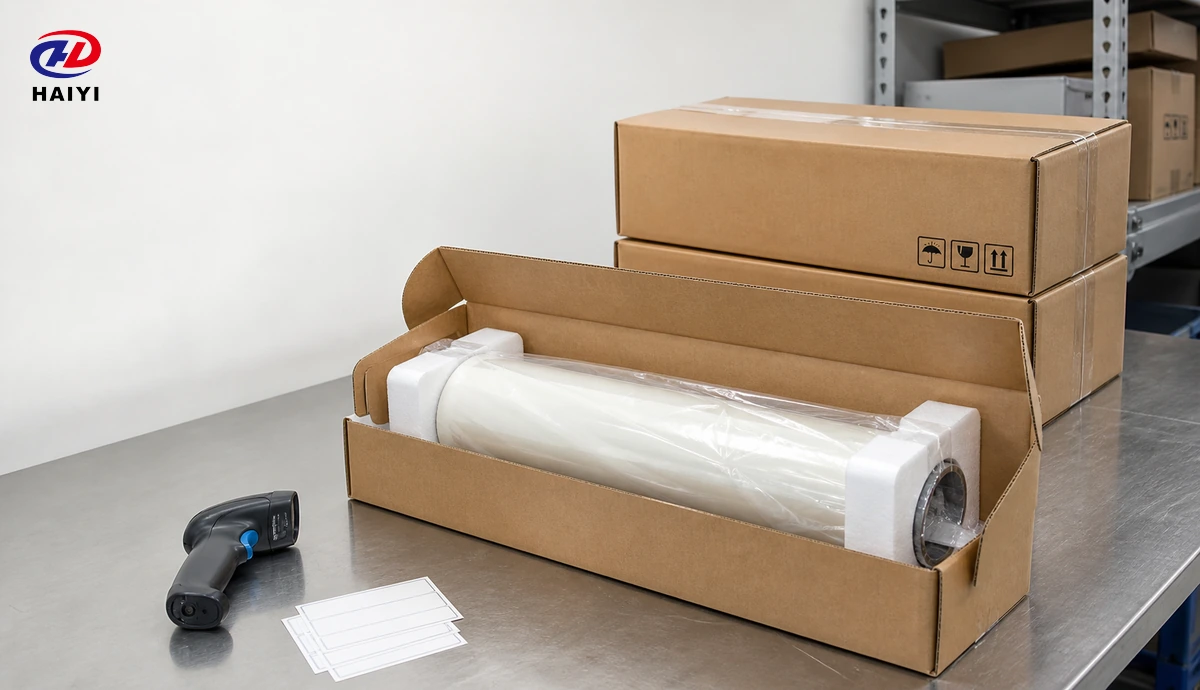
اطلب صورًا للتغليف تُظهر الأكياس العازلة، والدعامة الداخلية، وحماية الأطراف، وبنية الكرتون، وملصقات الدفعة. تأكد من مدى ملاءمة العبوة للمسار المقترح. للمزيد من المعلومات، انظر مدة صلاحية فيلم DTF وطرق تخزينه. يجب تضمين افتراضات التخزين في سجل الطلب، وليس فقط في عملية استكشاف الأخطاء وإصلاحها اللاحقة.
19. ما هي الأدلة المطلوبة إذا قمنا بالإبلاغ عن عيب؟
اطلب معلومات عن فترة الإبلاغ، وبيانات الاتصال، ومعلومات الدفعة، والصور، والفيديوهات، وإعدادات الجهاز، والعينات المحفوظة، وسجلات الكمية المتأثرة اللازمة للتحقيق. استوضح متى يجب عزل اللفائف المتنازع عليها، وما إذا كان الاختبار التخريبي أو إعادة الشحن يتطلب موافقة.
اتفقوا على الحلول الممكنة وشروطها، ومن يتحمل تكاليف النقل أو الفحص المرتبطة بها. قد لا يحل الاستبدال في الطلبية التالية مشكلة توقف الإنتاج الفوري. يضمن الإجراء الواضح تشخيصًا عادلًا دون افتراض تلقائي لعطل في الفيلم أو خطأ من المشغل.
20. من يقدم الدعم الفني، وما هي آلية التصعيد؟
استفسر عما إذا كان الدعم يُقدم من متخصص تقني أم من مسؤول المبيعات فقط. تأكد من ساعات العمل، واللغة، والوقت المتوقع للرد، وكيفية تصعيد المشكلات الإنتاجية العاجلة. اطلب البيانات اللازمة قبل بدء المراجعة التقنية.
يُقدّم رد الدعم المفيد شرحًا للأسباب المحتملة واقتراحًا لفحوصات مُحكمة. إنّ توجيهًا برفع درجة الحرارة دون مراجعة معلومات الحبر والمسحوق والتجفيف والقماش والكي لا يُعدّ تشخيصًا كاملًا. اتفقوا على من يُلخّص التحقيق ويُؤكّد إغلاقه.
كيف ينبغي تقييم إجابات الموردين؟
استخدم ثلاث فئات: موثق، قيد التحقق، وغير محلول. هذه أداة مساعدة داخلية للشراء، وليست شهادة أو تقييمًا موضوعيًا للمورد. يُصبح الرد موثقًا فقط عندما تتطابق الأدلة المُرفقة به مع رمز المنتج (SKU) والتطبيق قيد الدراسة.
| رد المورد | متابعة مفيدة | نتيجة الأمر |
|---|---|---|
| الفيلم متوافق مع جميع أنواع الطابعات. | ما هي الإعدادات المماثلة التي تم اختبارها، وما هي الإعدادات التي لم يتم اختبارها؟ | يتطلب الأمر إجراء اختبار توافق في حال غياب الأدلة. |
| جودة المنتج بالجملة هي نفسها جودة العينة. | ما هي معايير الدفعة والمراجعة والإصدار التي تربط بينها؟ | لا توافق على بديل غير معروف. |
| يتم فحص كل لفة. | ما الذي يتم فحصه في كل لفة مقابل ما يتم أخذ عينة منه لكل دفعة؟ | حدد نطاق التفتيش الفعلي. |
| نقوم باستبدال أي فيلم تالف. | في ظل أي ظروف، وما هو الإطار الزمني، وما هي تكلفة التخصيص؟ | قم بتسجيل إجراءات مطالبة قابلة للتطبيق. |
أعطِ الأولوية لهوية المنتج غير المحسومة، ومدى ملاءمة العينة، ومعايير القبول، قبل التطرق إلى اختلافات الأسعار الطفيفة. فالمورد الذي يُبدي استعداده لتوثيق أي قصور يمنحك قرارًا قابلاً للاختبار. أما المورد الذي يتجنب الإجابة على نفس السؤال مرارًا وتكرارًا، فيُحمّل المشتري هذا العبء.
حوّل كل رد مهم إلى سجل قبول واحد: المتطلبات، الأدلة، ظروف الاختبار، النتيجة، المراجع، والقرار. على سبيل المثال، يجب أن يؤدي الادعاء بشأن سهولة الإزالة إلى تجربة موثقة بتفاصيل دقيقة، ومناطق صلبة، وأقمشة نموذجية. سجّل الوقت بين الضغط والتقشير، ومجموعات المواد، وأي بقايا أو نقل غير مكتمل. استخدم الفيلم المعتمد حاليًا كعنصر تحكم كلما أمكن. إذا فشل كلا الفيلمين، فابحث في ظروف العملية المشتركة قبل إلقاء اللوم على العينة الجديدة. إذا فشل الفيلم المرشح فقط في ظل مقارنة مستقرة، فأرسل الأدلة إلى المورّد. يضمن هذا الهيكل أن تكون المتابعة محددة ويمنع صورة جذابة للعينة من أن تصبح الأساس الوحيد للموافقة.
هل يمكنك نسخ نموذج استفسار قصير من المورد؟
استخدم هذه الرسالة بعد ملء ملخص الإنتاج:
نقوم حاليًا بتقييم أغشية DTF النسيجية لطابعتنا وموادنا الاستهلاكية وأقمشتنا وحجم إنتاجنا المحدد. يُرجى التوصية بوحدة تخزين واحدة (SKU) وتزويدنا ببياناتها الحالية، وأبعادها، وتفاوتاتها المسموح بها، وتحديد جانب الطباعة، وتعليمات التقشير، وحدود التشغيل.
يرجى تحديد تركيبات المعدات المختبرة وأي افتراضات تتطلب التحقق من جانبنا. أكد على دفعة العينة وكيفية ارتباطها بالإنتاج العادي. أرفق نموذجًا لتقرير الدفعة، ومعلومات تتبع اللفائف، وإجراءات إخطار التغيير، وتعليمات التخزين.
يرجى تقديم عروض أسعار منفصلة للعينات والكميات التجريبية عن طلبات التغليف القياسي والمخصص. يرجى توضيح تفاصيل السعر، وصلاحية الطلب، ومواعيد التسليم، والتغليف الواقي، والدعم الفني، وإجراءات تقديم مطالبات العيوب. يرجى وضع علامة "قيد الانتظار" على أي بند غير مؤكد بدلاً من الاكتفاء بتأكيد عام.
قم بترقيم المرفقات واحتفظ بالردود في ورقة مقارنة واحدة. بمجرد أن يجتاز المورد هذه المناقشة، استخدم نموذجنا سير عمل شراء أفلام DTF بالجملة لتنظيم العينات، والطلب التجريبي، واتفاقية الشراء.
الأسئلة الشائعة
هل ينبغي على المورد الكشف عن تركيبة الطلاء الخاصة به؟
لا. يمكنك تقييم منتج دون الحاجة إلى معرفة تركيبته الكيميائية الخاصة. اطلب مواصفات قابلة للقياس، وحدود التطبيق، وعينات قابلة للتتبع، وطرق الاختبار، والوثائق ذات الصلة. التركيبات السرية ومراقبة الجودة المسؤولة أمران منفصلان.
هل تكفي عينة مجانية للموافقة على طلب شراء بالجملة؟
لا، سعر العينة لا يدل على مدى تمثيلها للواقع. يجب أن يعتمد منح الموافقة على المنتج المحدد، وتجربة مسجلة، وفحوصات الأداء ذات الصلة، والثقة بأن الشحنة بالجملة ستطابق المواصفات المتفق عليها.
هل ينبغي على كل مورد الإجابة على جميع الأسئلة قبل إرسال العينات؟
ليس بالضرورة. تأكد أولاً من الهوية والتوافق الأساسي، وتحقق من أدلة الجودة أثناء التقييم، وأبرم الشروط التجارية وشروط الشكاوى قبل الالتزام بكميات الإنتاج. لا تؤجل معايير القبول الأساسية إلى ما بعد الشحن.
ماذا لو نجحت العينة لكن الطلب بالجملة تصرف بشكل مختلف؟
اعزل المادة المتأثرة، واحتفظ بملصقات الدفعات والعينات، وقارن الوصفة المعتمدة بظروف الإنتاج الحالية. استخدم إجراءات المطالبات المتفق عليها للتحقق من كل من اختلاف المواد وتغييرات العملية قبل قبول أي استنتاج.
ما الذي يجب التأكد منه قبل الطلب؟
أفضل الأسئلة التي يجب طرحها على مورد أفلام DTF هي تلك التي تربط الوعد بالأدلة والإجراءات. قبل الطلب، تأكد من رمز المنتج (SKU) بدقة، والحدود التشغيلية، وعينة تمثيلية، وضوابط الدفعة، وإمكانية التتبع، وحدود عرض السعر، والتغليف، وإجراءات تقديم الشكاوى. سجّل المشكلات العالقة وحدد المسؤول عن حلها. يجب أن تُفضي محادثة احترافية مع المورد إلى منتج يمكنك اختباره، وشحنة يمكنك تحديدها، وإجراءات واضحة في حال لم تتطابق النتيجة مع الاتفاق.